
From Moscow to Lima
12,645 km
from Moscow to Lima in a straight line. Anvar, ceramist. His road crosses half the world — and returns to the clay.
The road
Chapter 1 · Moscow
The guilds' quarter
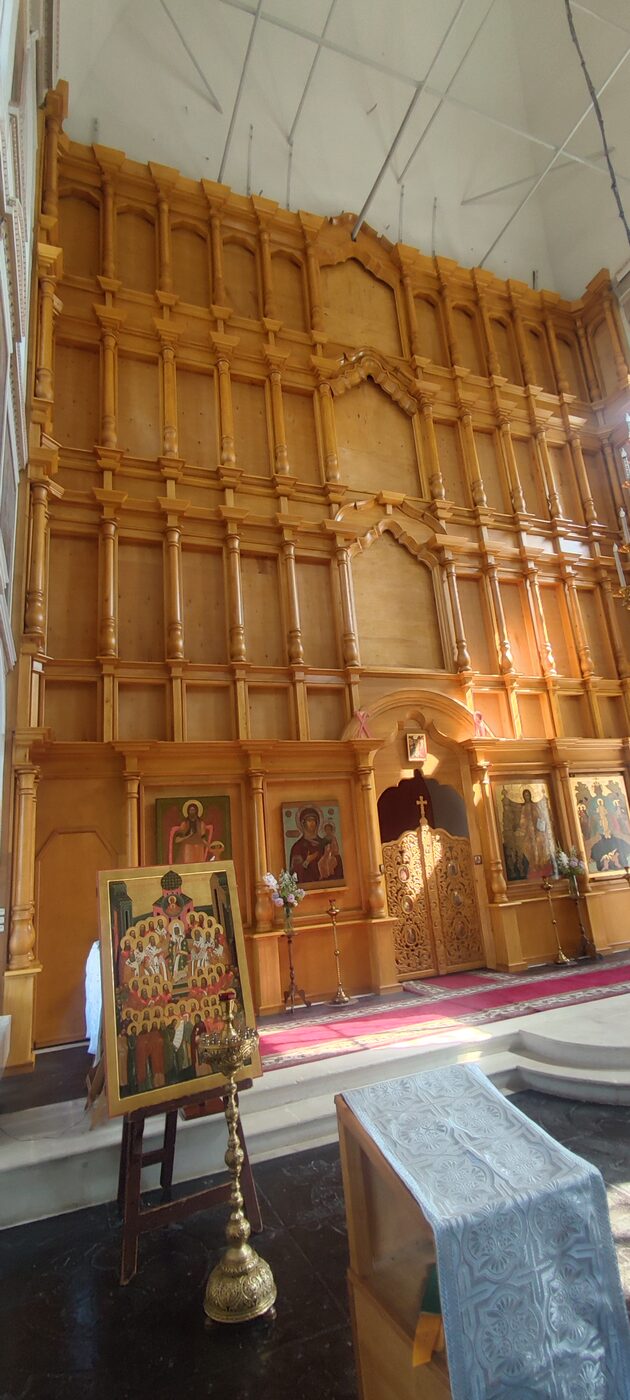
The workshop was in Zamoskvorechye, "across the river", opposite the Kremlin. Since the 16th–17th centuries it was a guilds' quarter: each street had its trade and its church — like the artisans' quarters of Lima or San Blas in Cusco. The streets still carry the name of the trade.
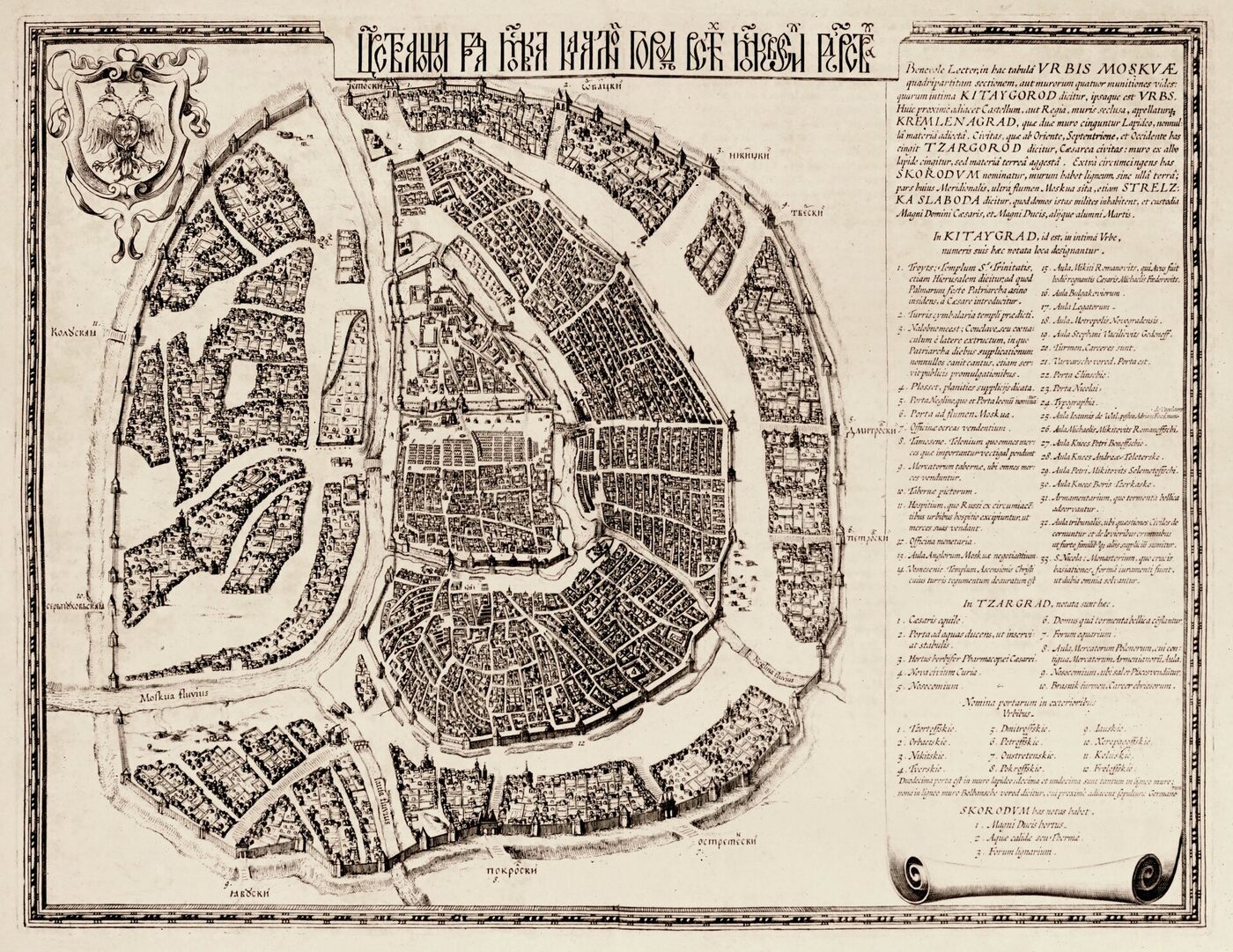
Ovchinniki · furriersThe workshop's street. The sheepskin tanners are mentioned from 1629; their quarter, from 1632.
Kuznetsy · blacksmithsThe New Smithy, from 1625: the blacksmiths crossed the river because of the danger of fire. Hence the Novokuznetskaya station.
Kadashi · weaversThey wove the tsar's linen. Their baroque Church of the Resurrection is the silhouette of the quarter.
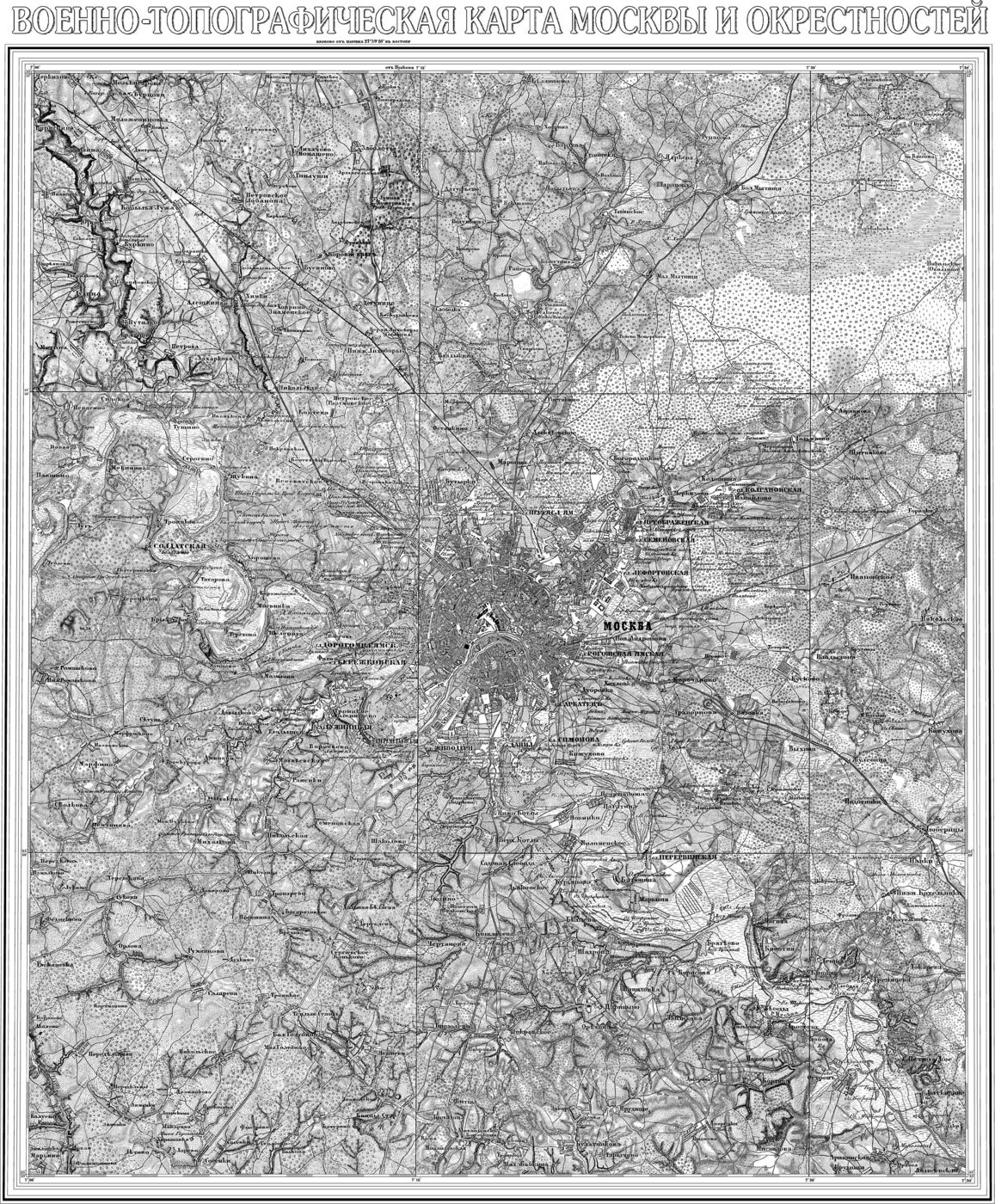
The pottersMoscow's potters lived two kilometres away, by the Yauza river: famous for their tiles.
Chapter 2 · The workshop
The workshop in Moscow
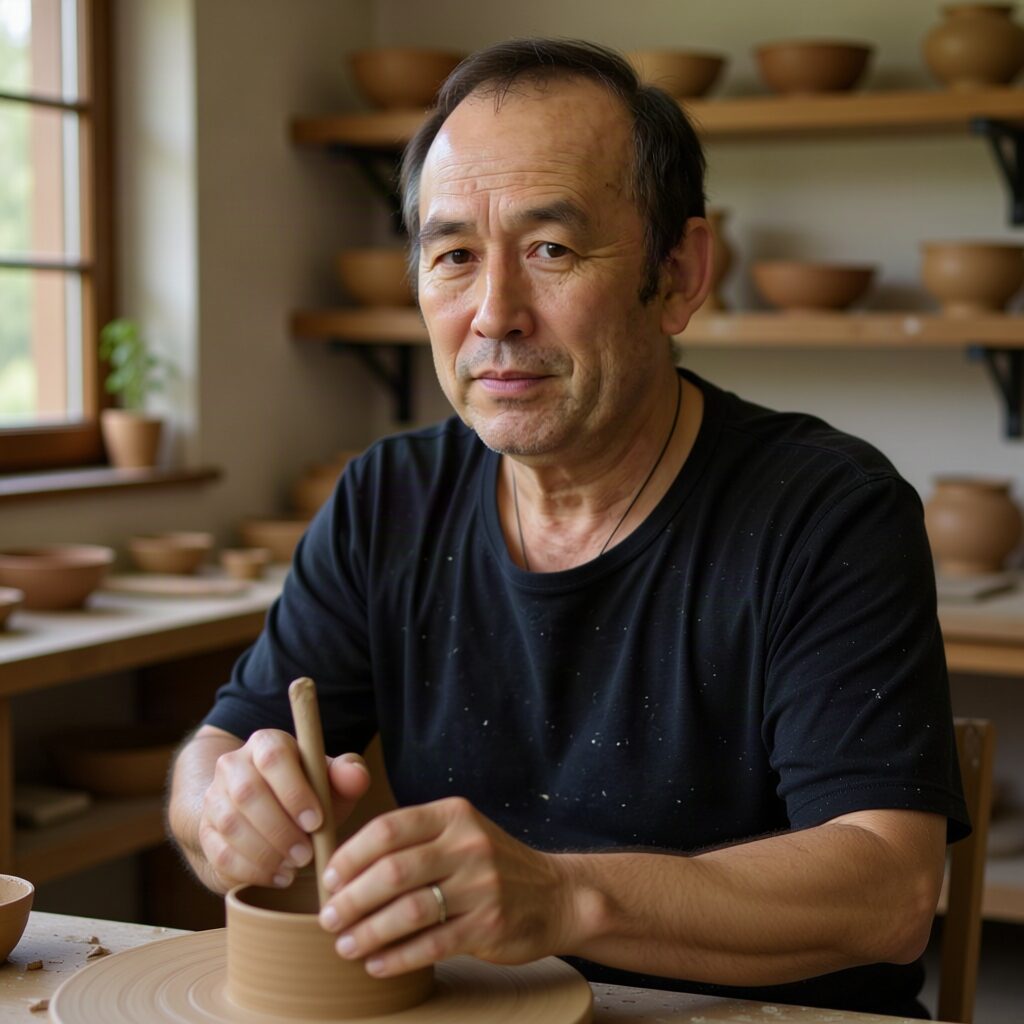
"My name is Anvar. Pottery captured me in 2015, in Peru: archaic ceramics. All my life I was a teacher, so I wanted to share what I learned. Let us leave a mark in eternity together."
— Anvar, 2021
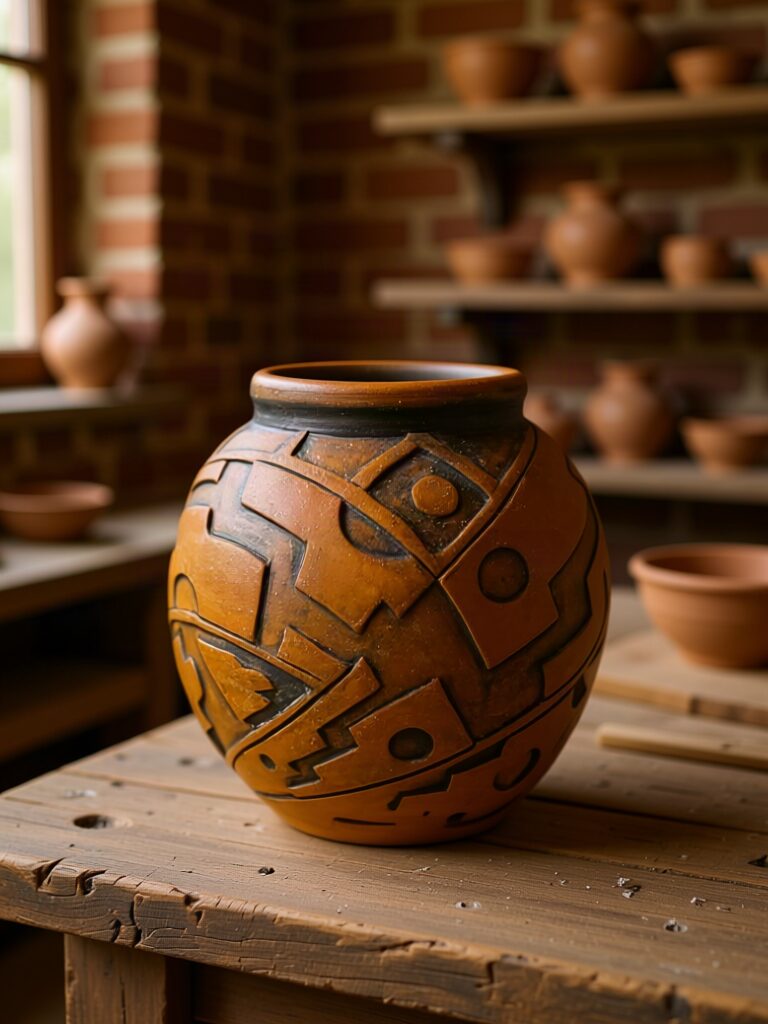
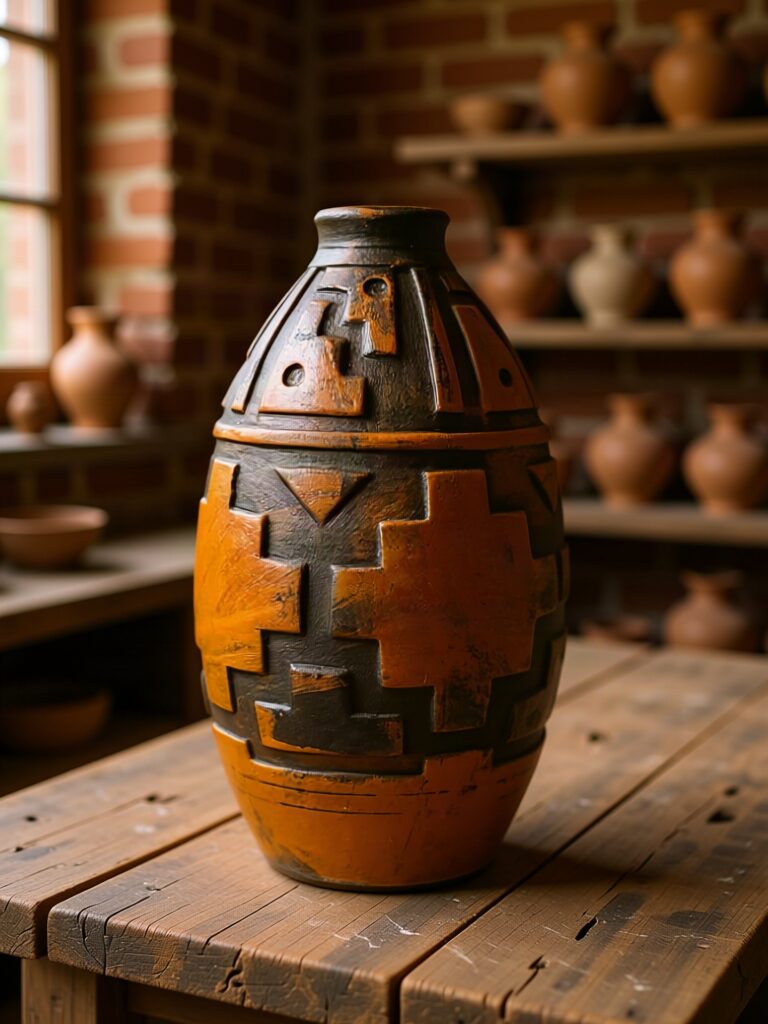
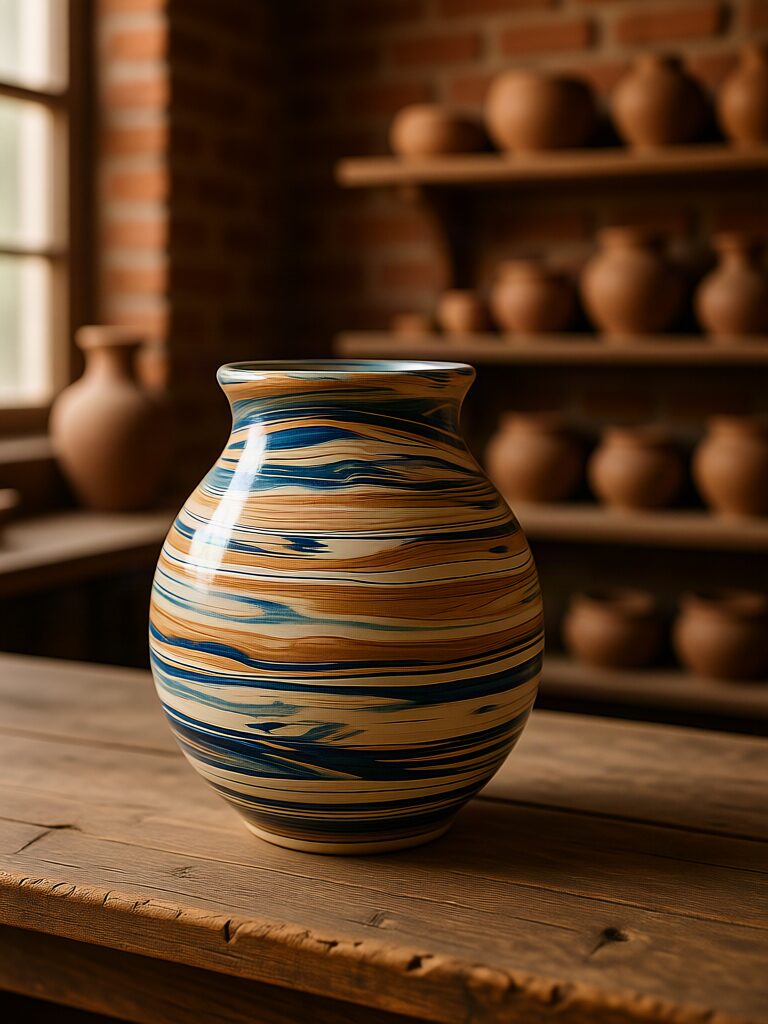
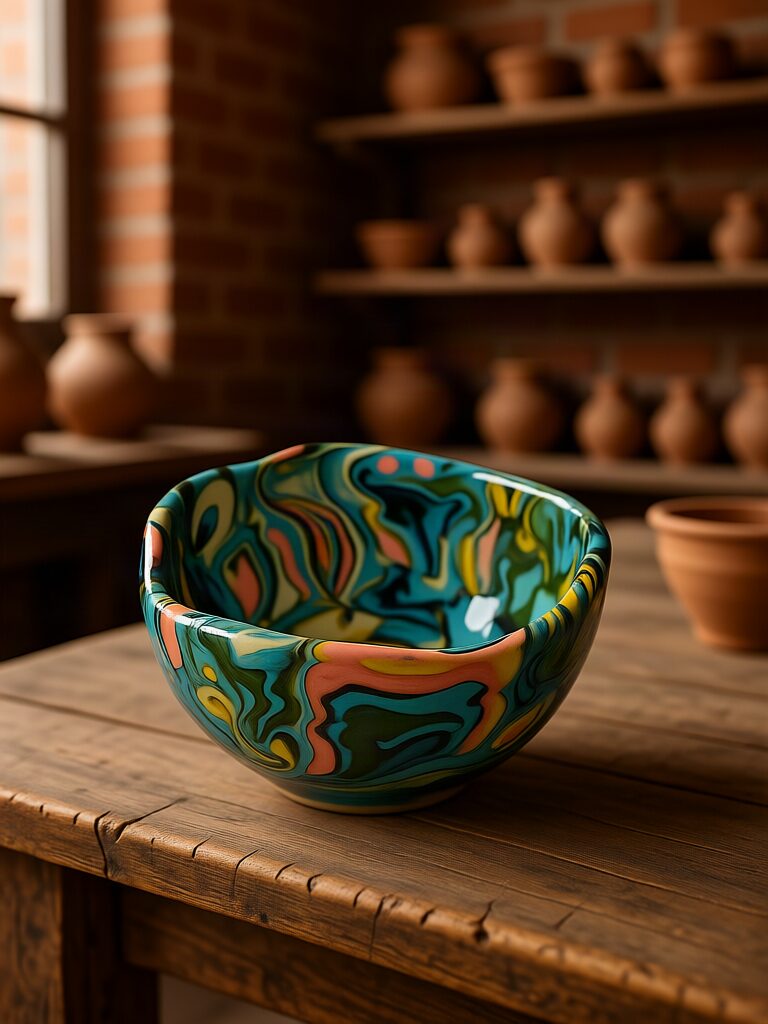
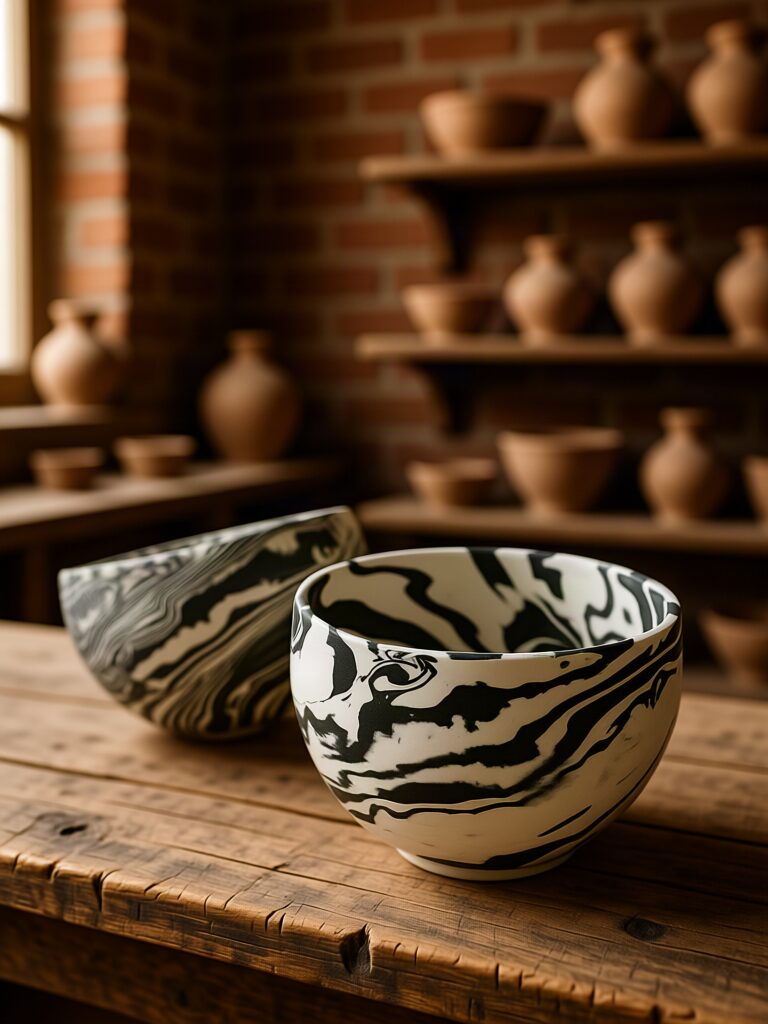
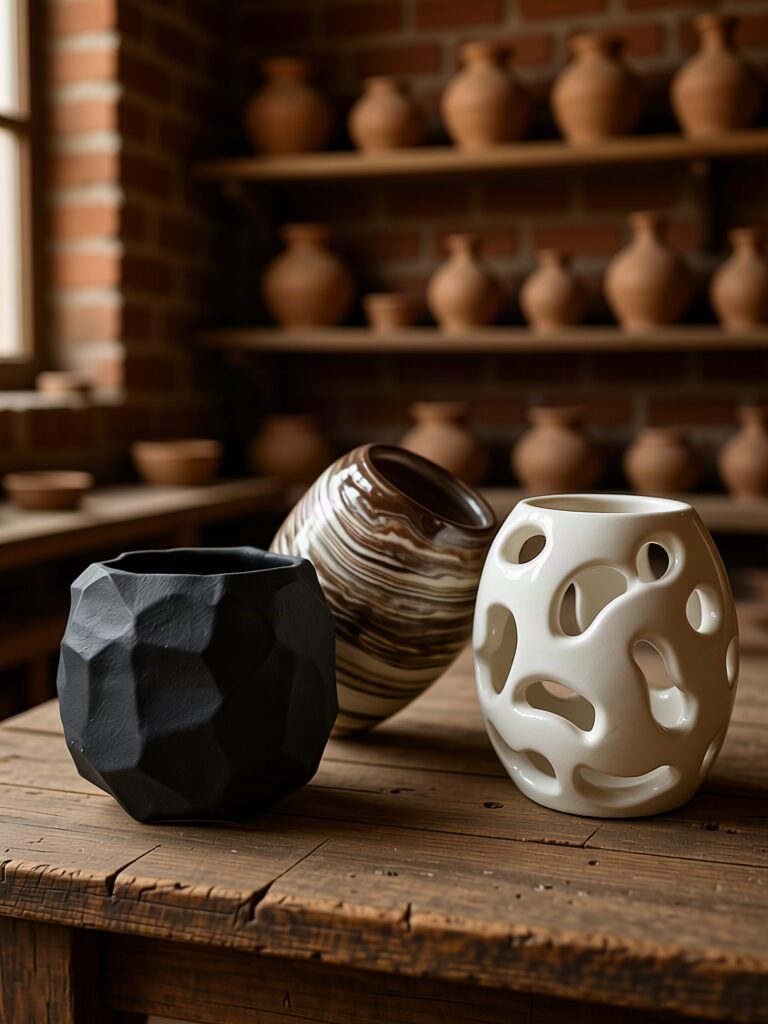
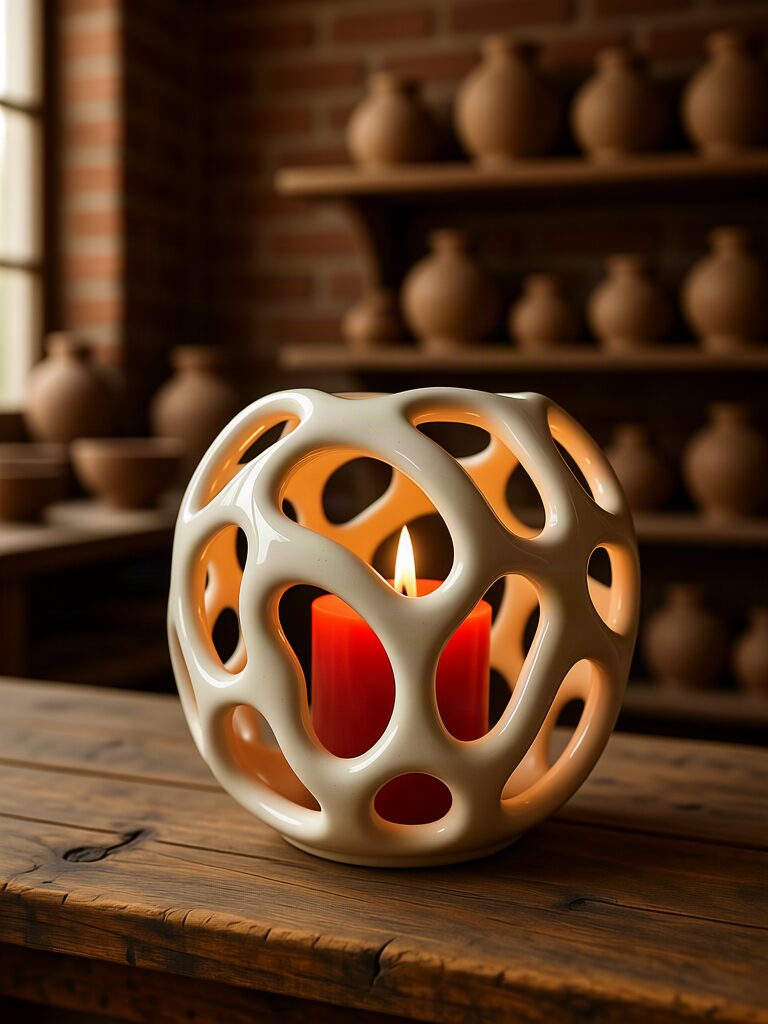
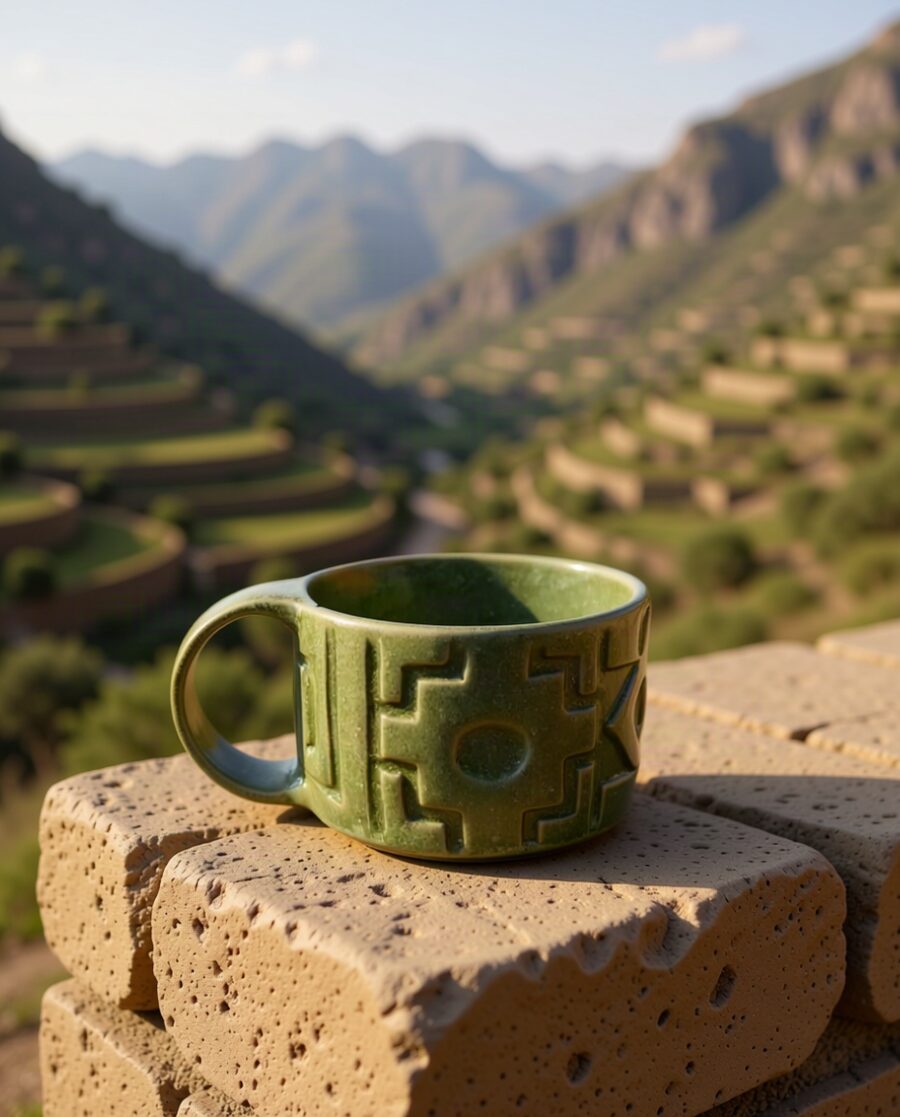
"Already in 2018 I was making vessels in Moscow with the Incas' chakana cross."
"Seven years on a little street in the historic centre of Moscow. Hundreds of students." — From the workshop, 2021
Chapter 3 · Two capitals, one trade
Italian masters, from Moscow to Lima
Moscow, St Petersburg and Lima have something in common: Italian masters built them — Moscow in the 15th century, St Petersburg in the 18th and Lima in the 19th. The colonial centre of Lima is Spanish; but in the 19th century architects arrived from Milan and Ticino. Anvar comes to Lima along the same road as the artisans who came before him.
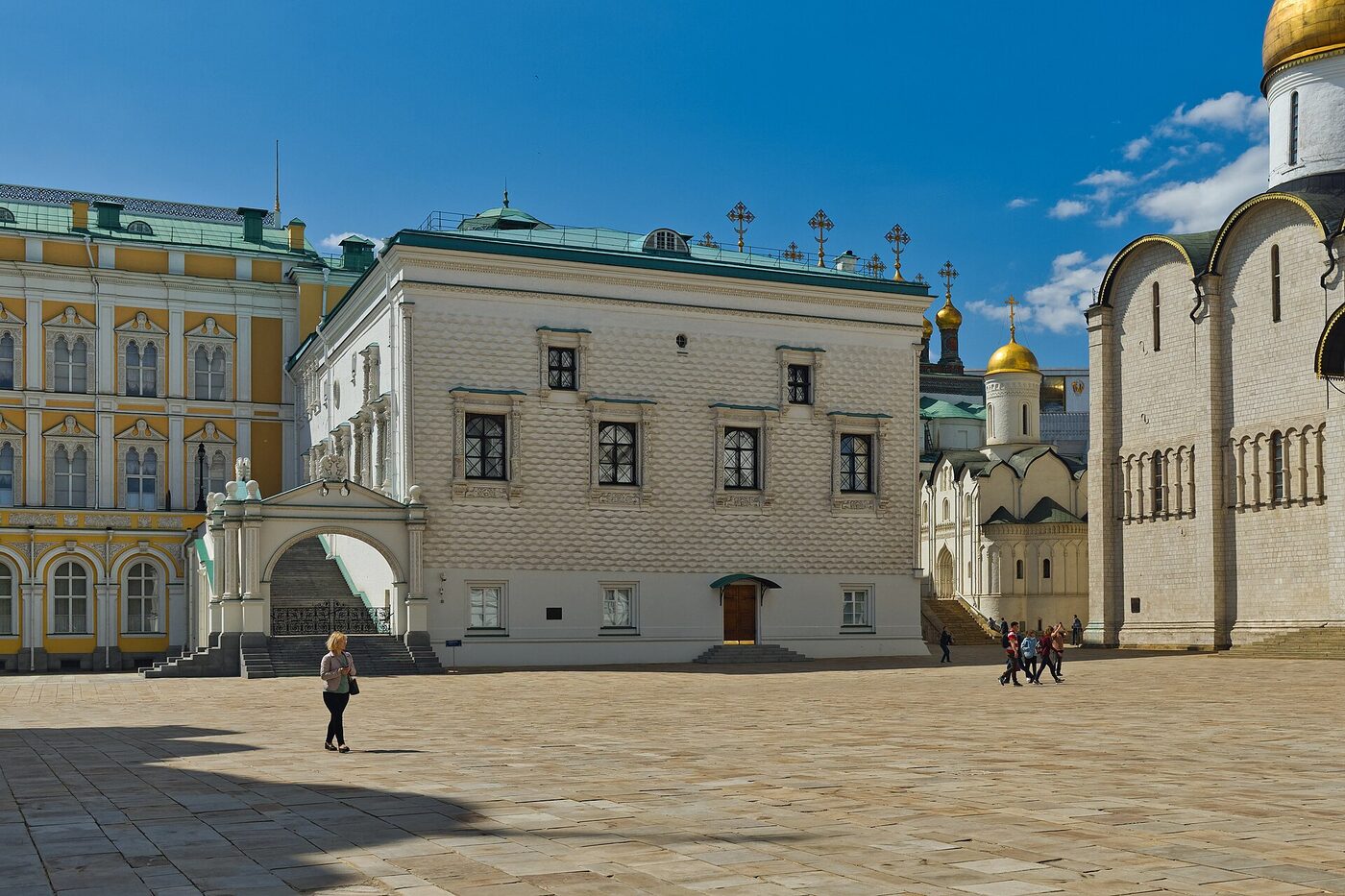
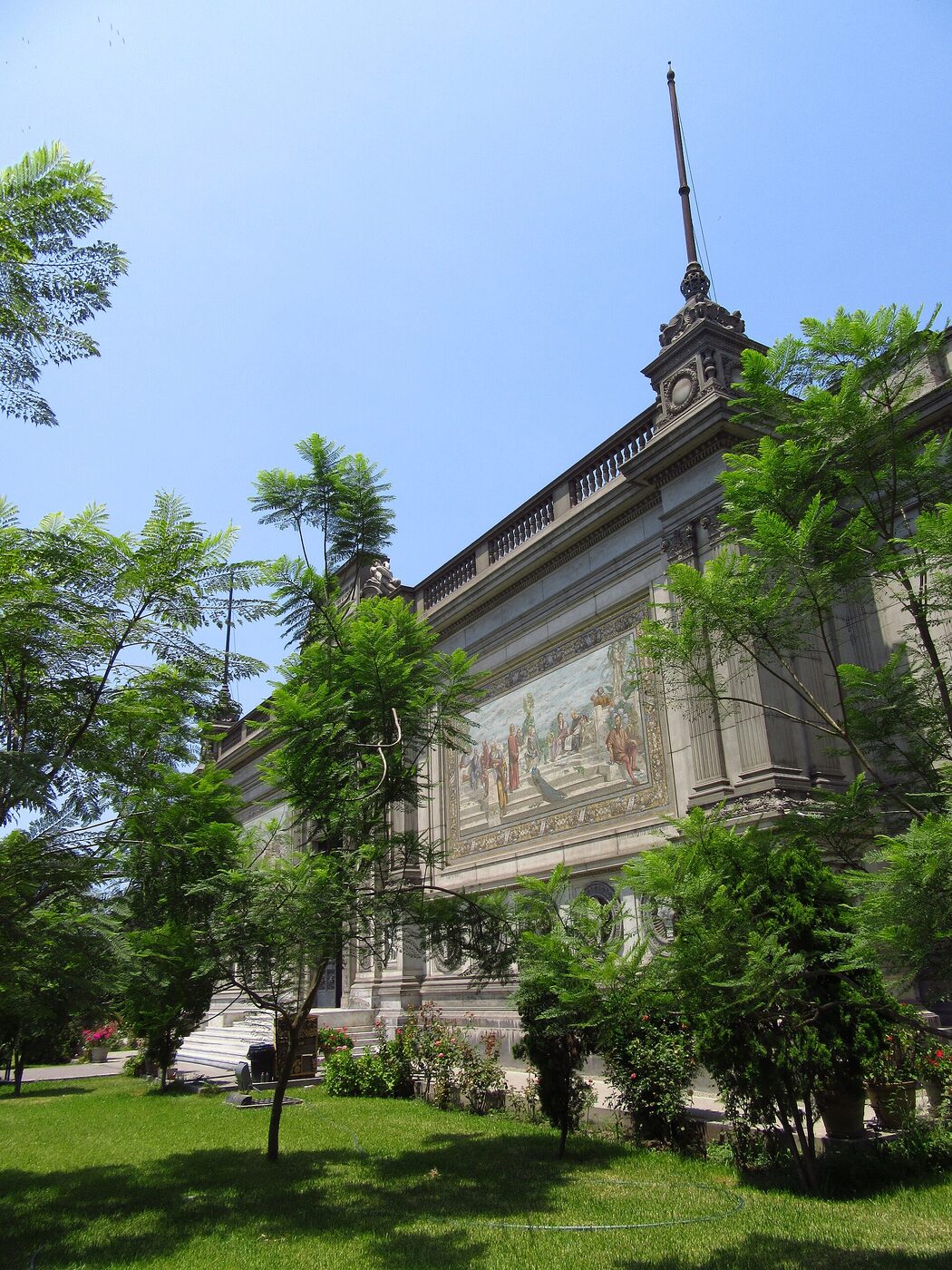
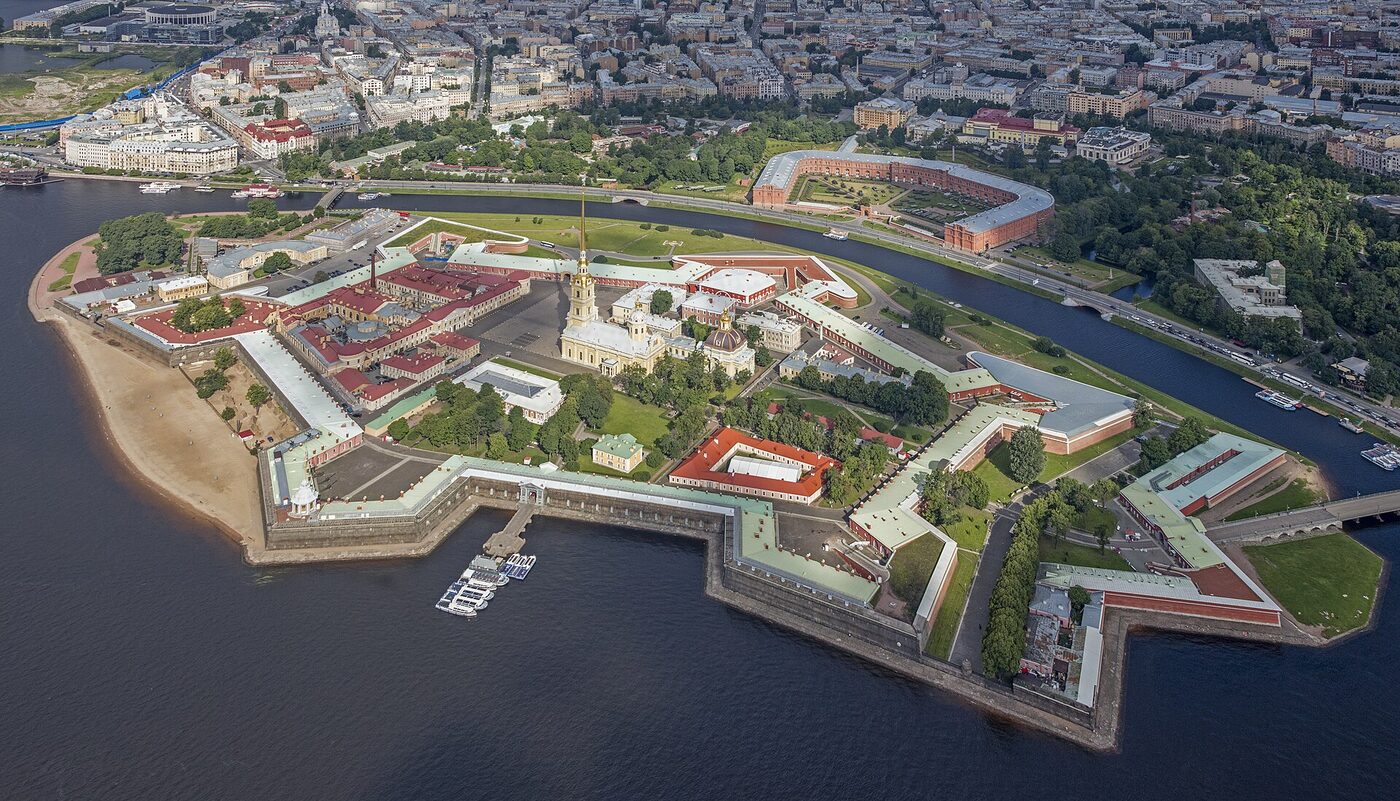
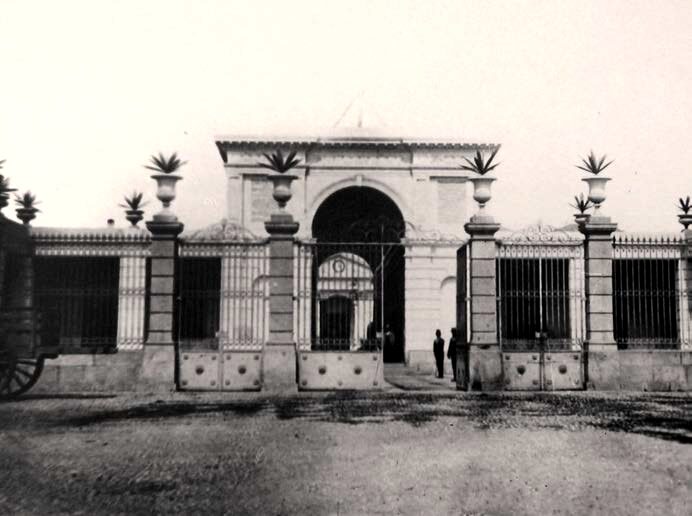
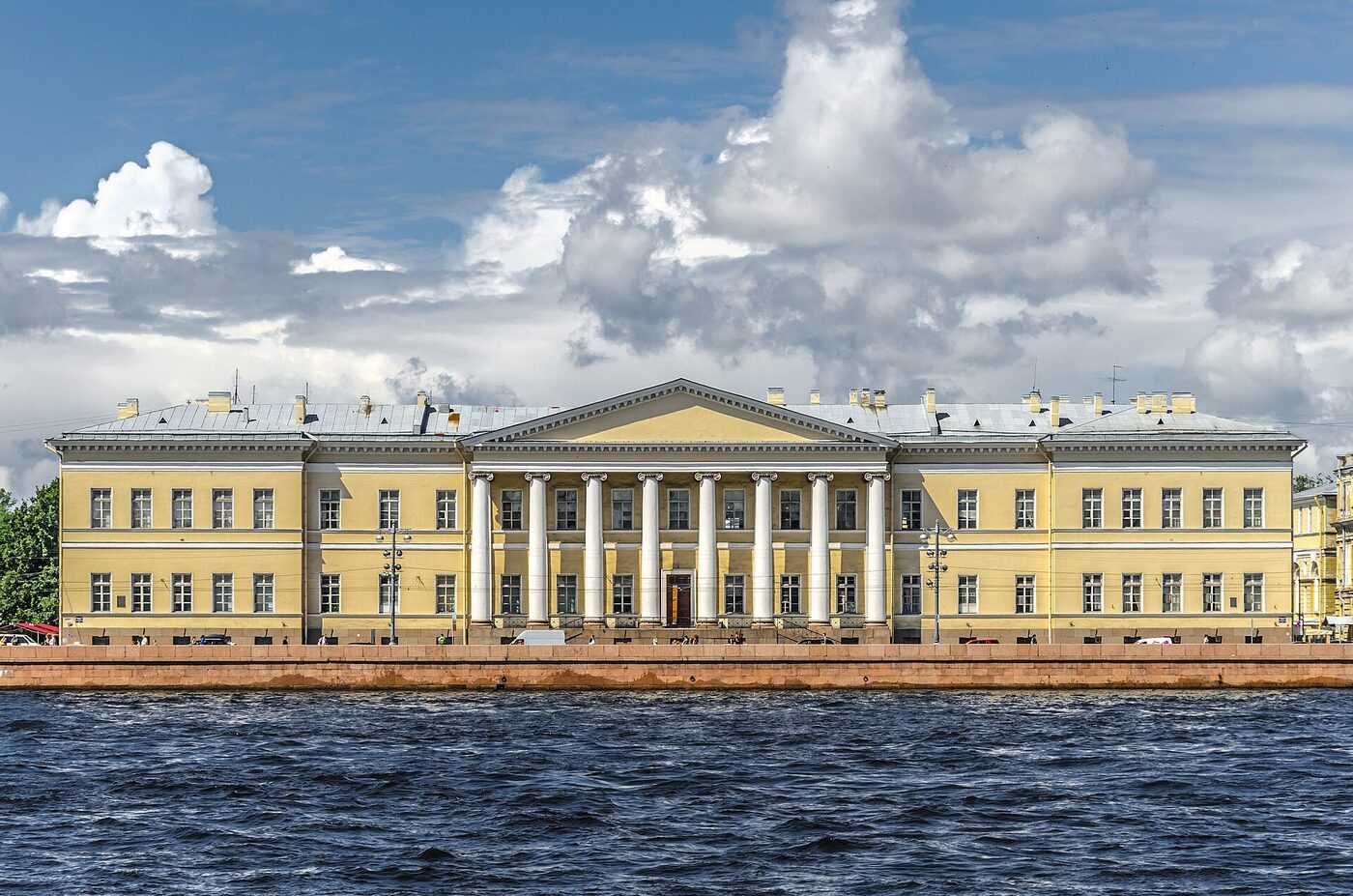
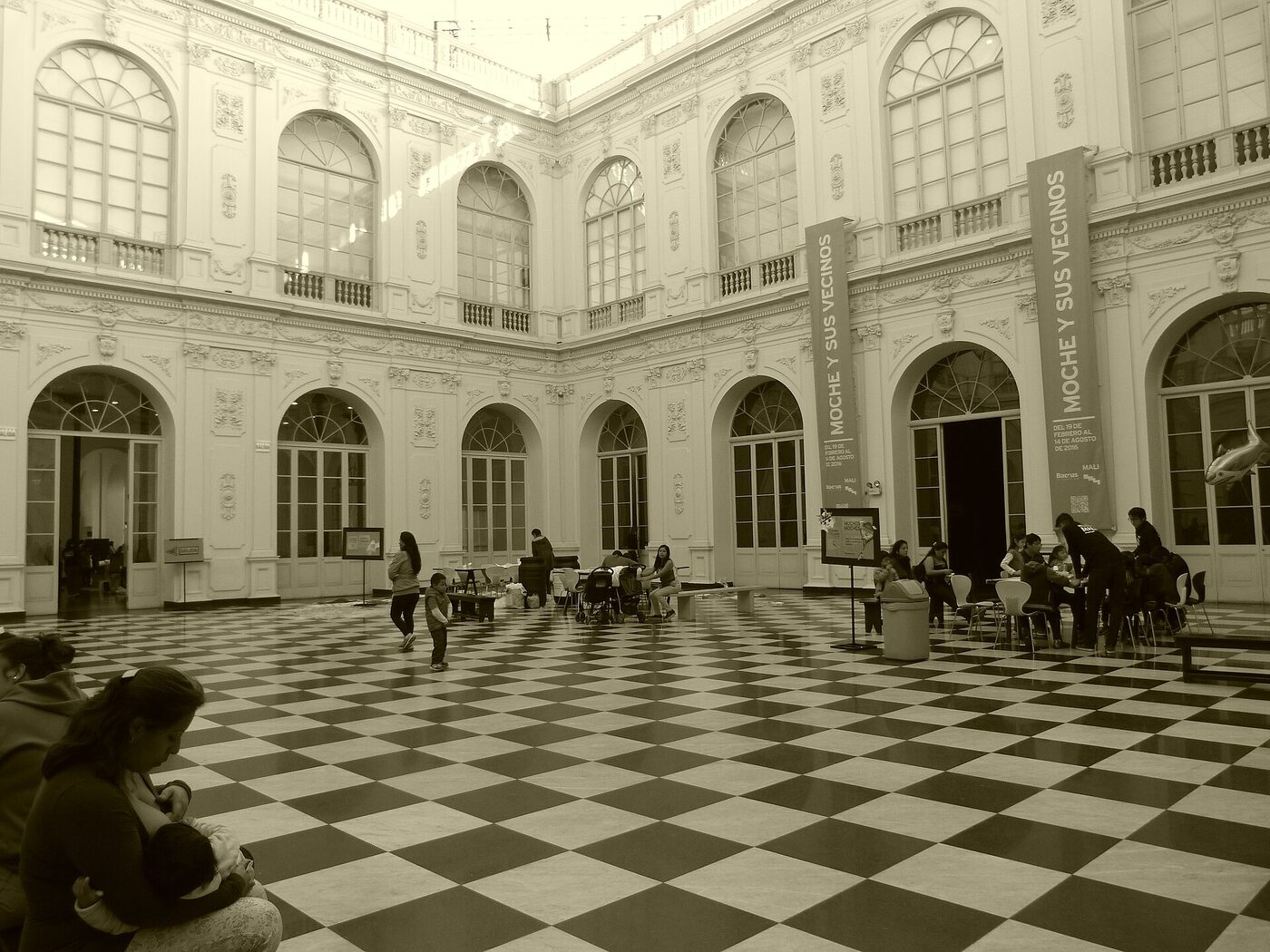
Milan → Moscow, 1490. Milan → Lima, 1860.
Chapter 4 · Altai
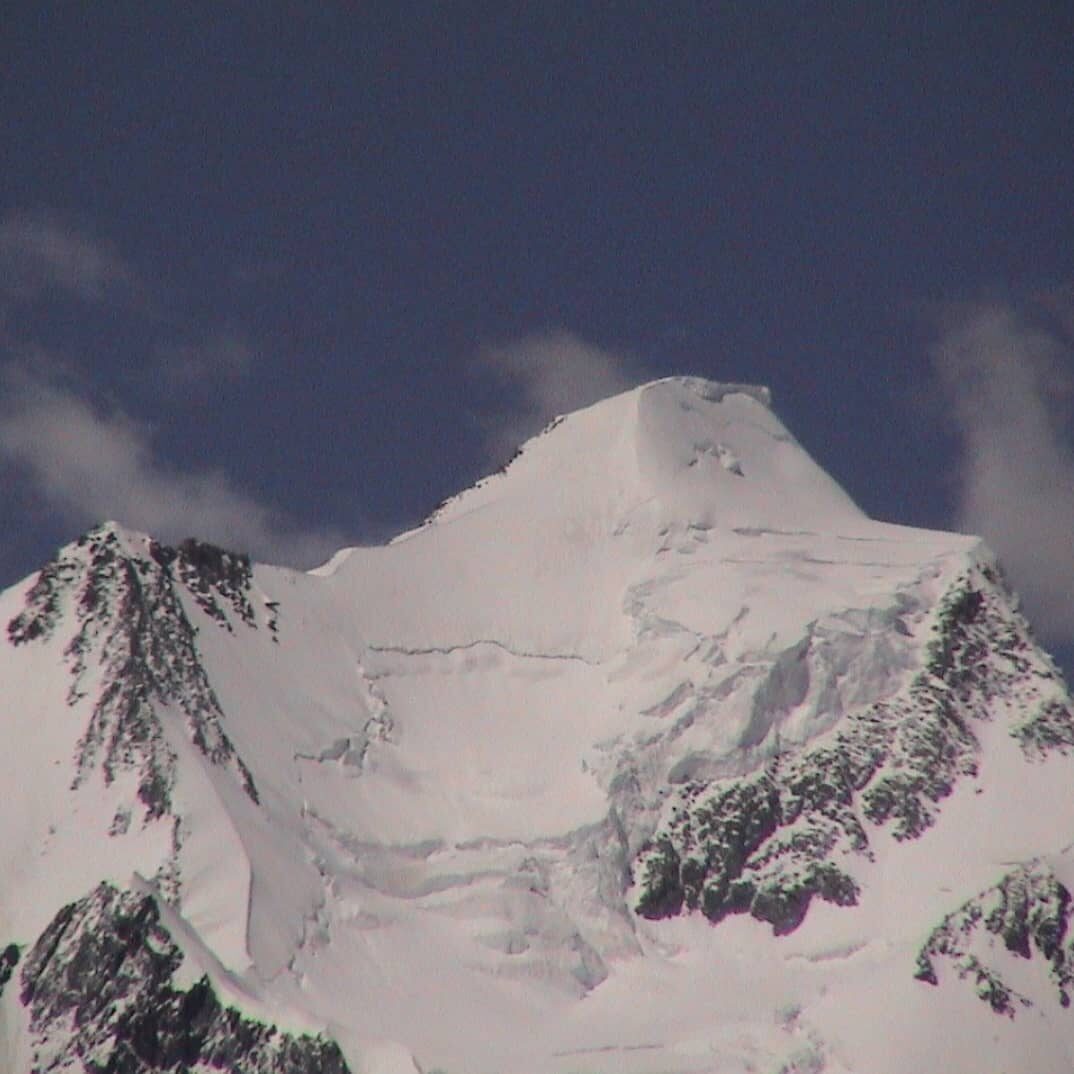
Mount Belukha, 2019–2021
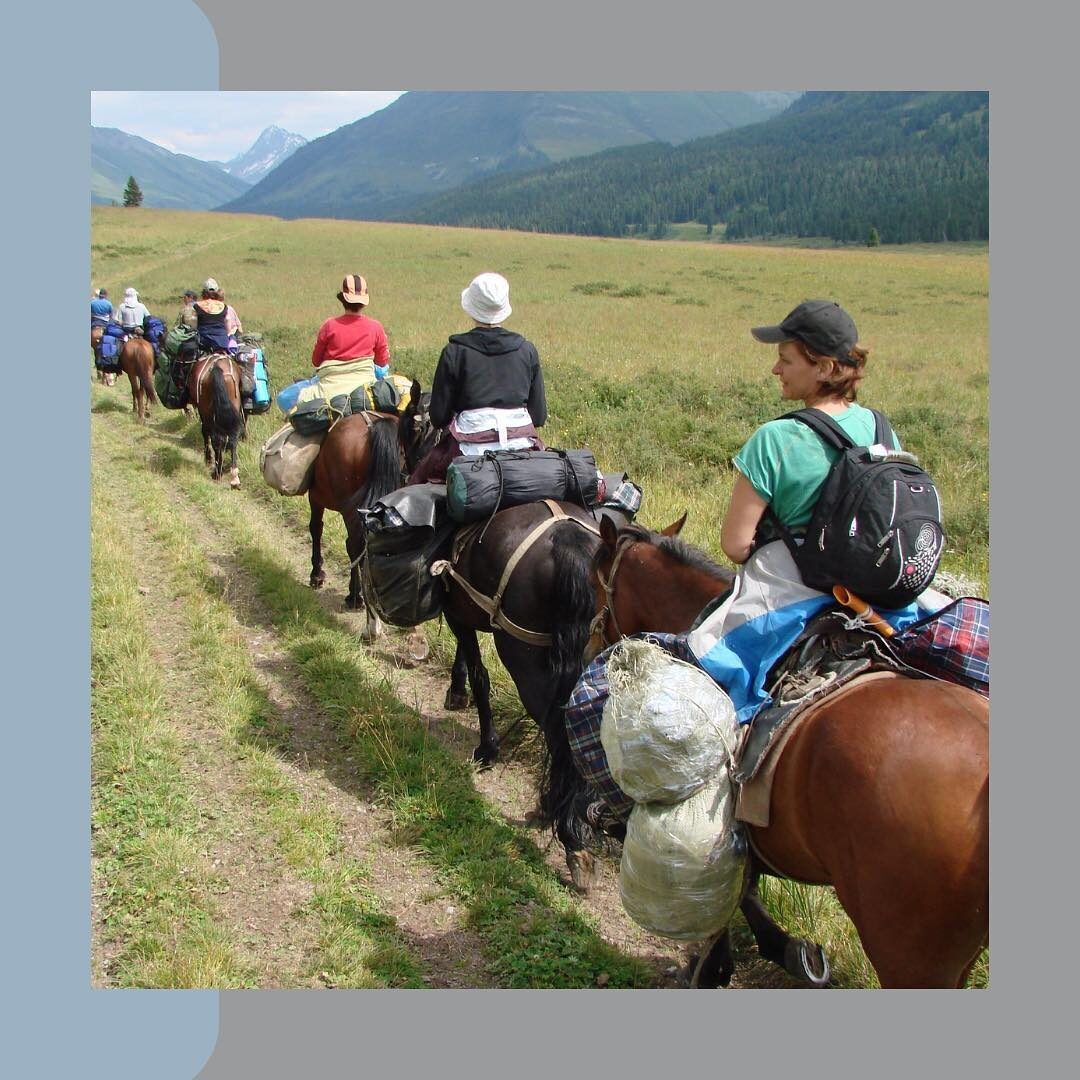
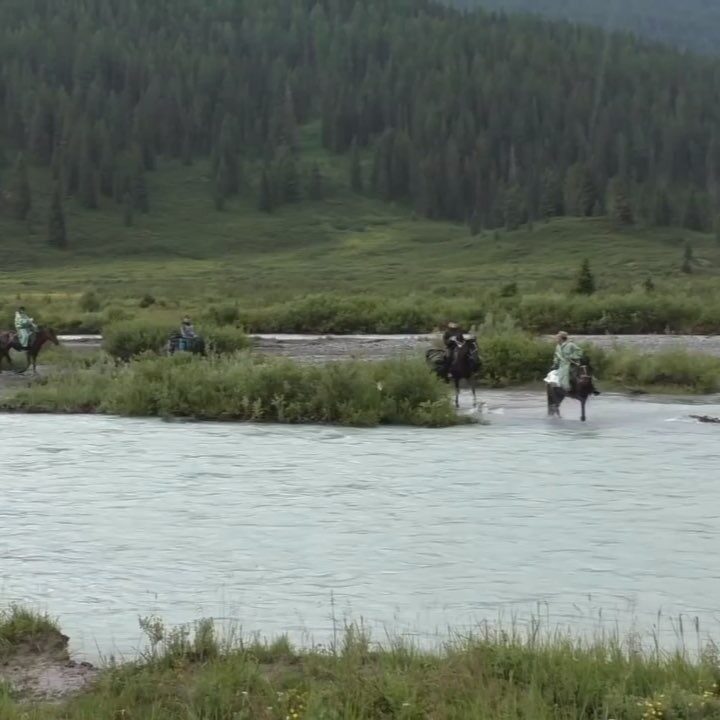
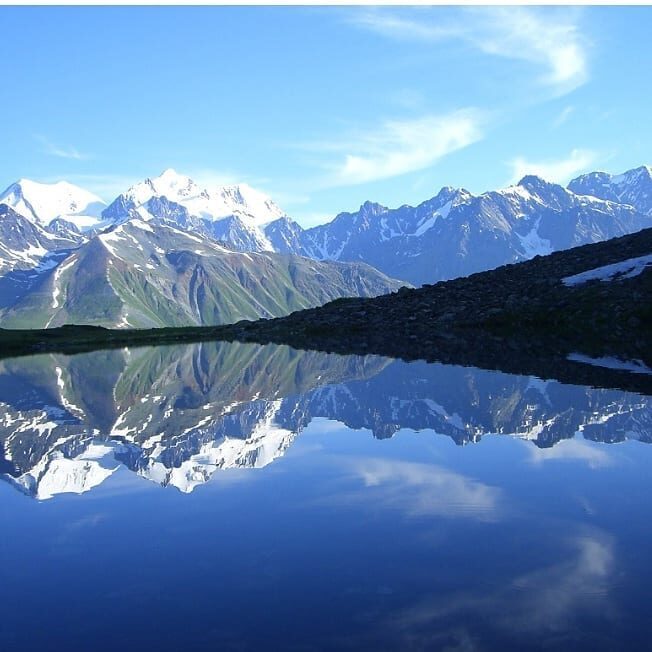
3,286 km east of Moscow. Anvar guided groups on foot and on horseback to the foot of Belukha, 4,506 m, the summit of the Altai. On the way, the Belaya Berel river: "milk-coloured water, from the blue clay dissolved in it". — Anvar, 2019
In Moscow he also taught qigong: ceramics asks for calm hands and breathing.
Chapter 5 · Maya
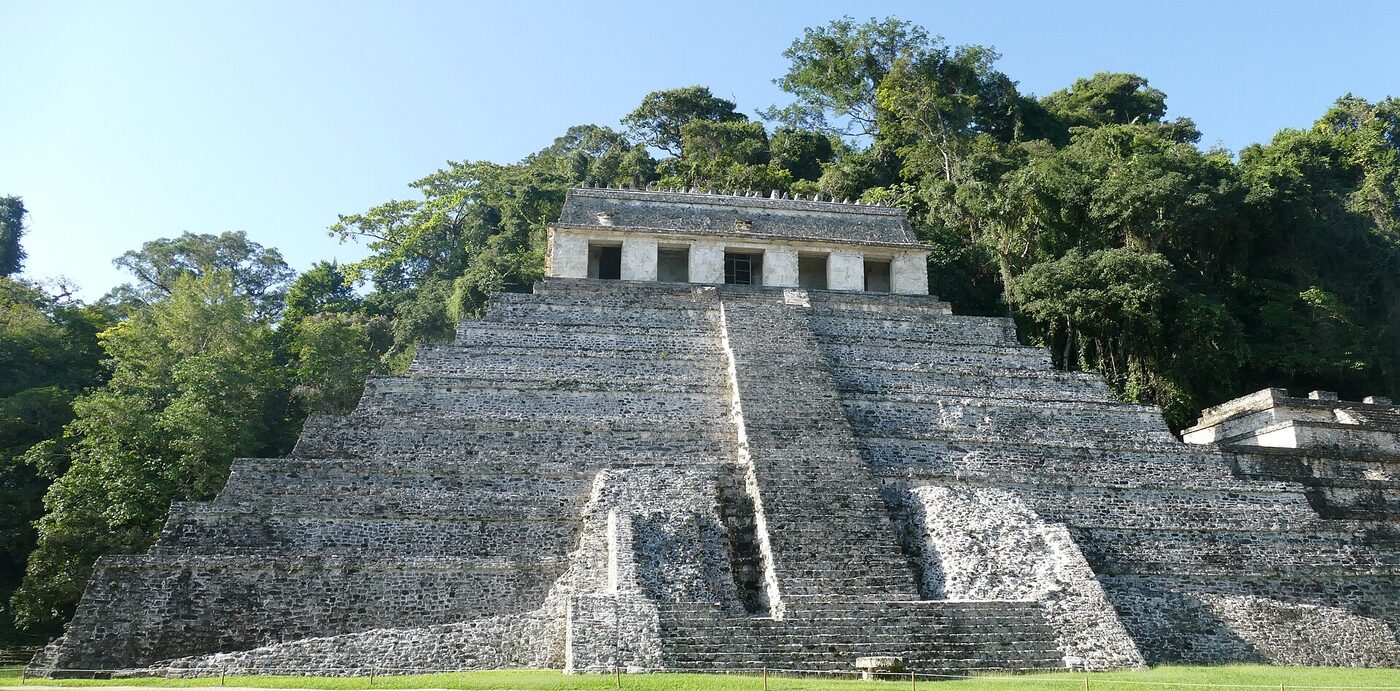
The geometry of the pyramids, 2020
From Moscow to Palenque and Tikal: ≈10,600 km. "The geometry of the pyramids", he wrote. From there comes the proportion that measures every cup today.
Now · Peru
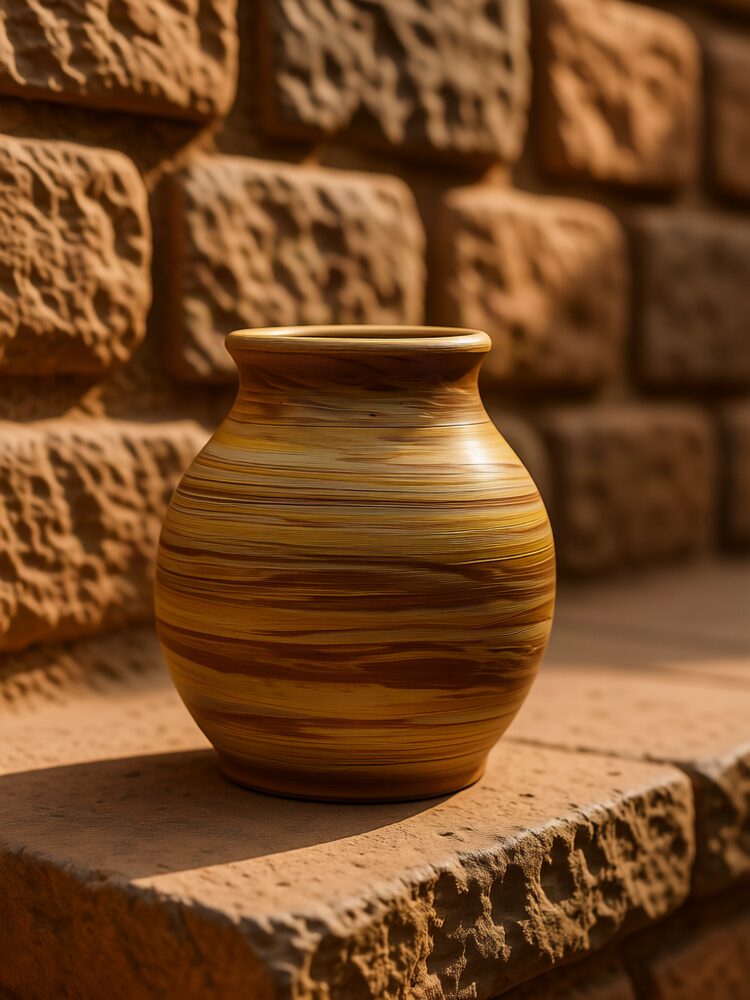
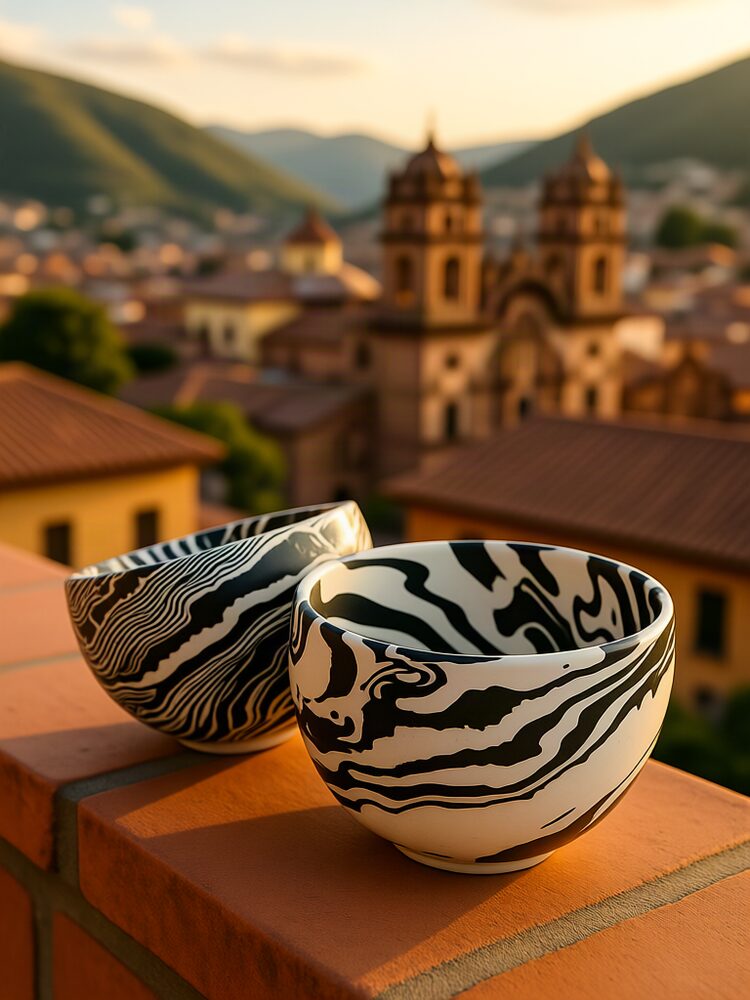
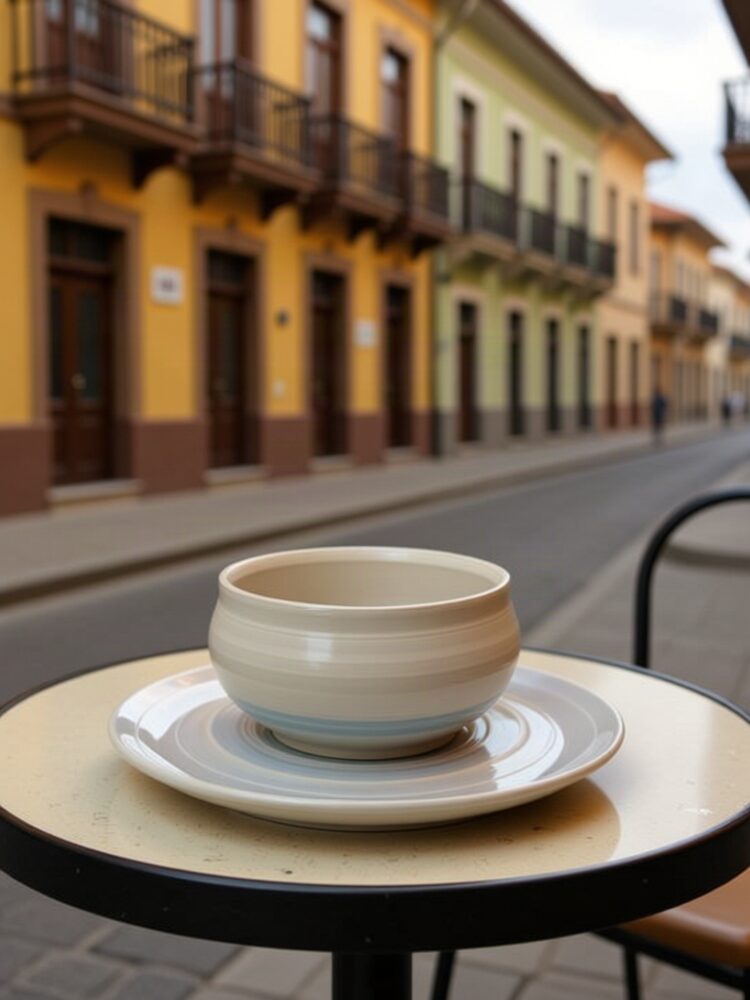
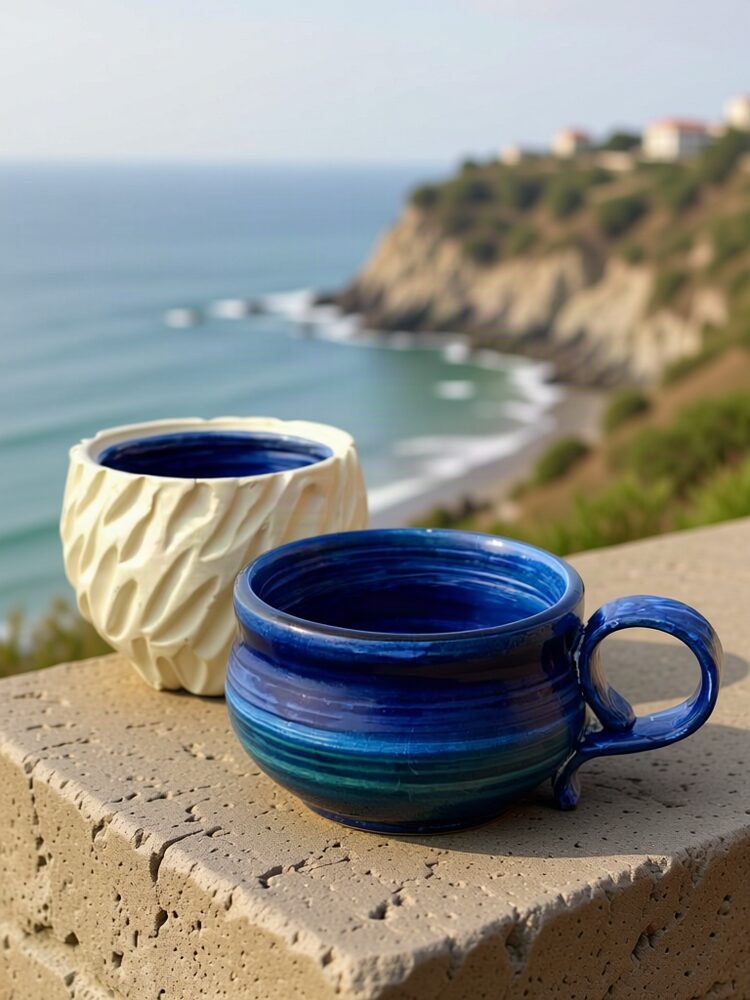
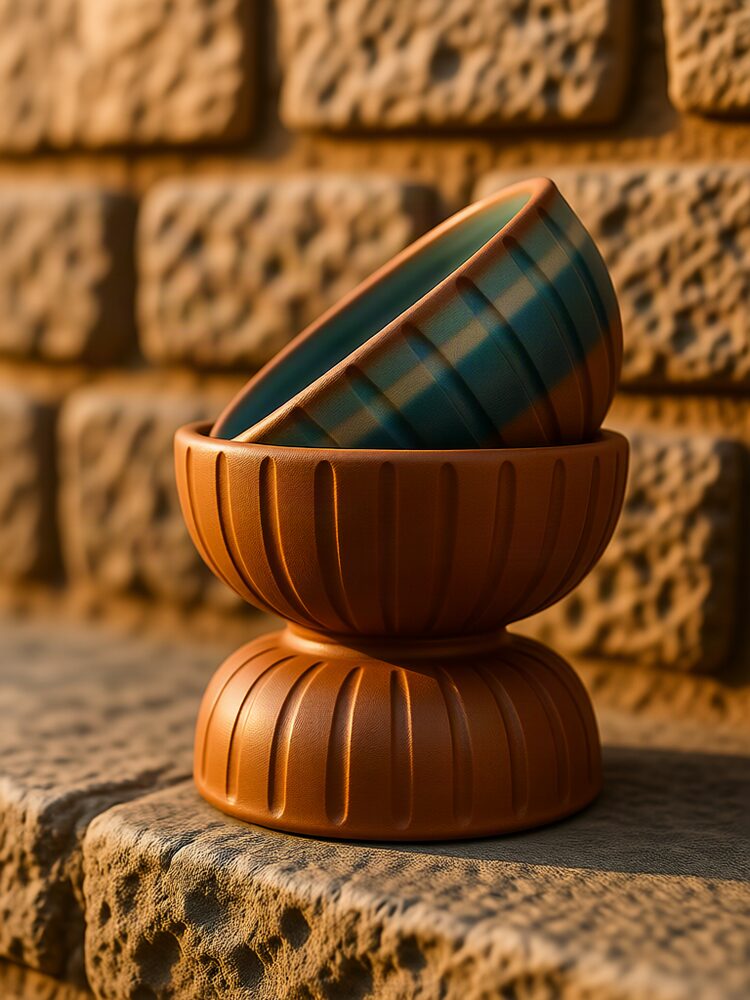
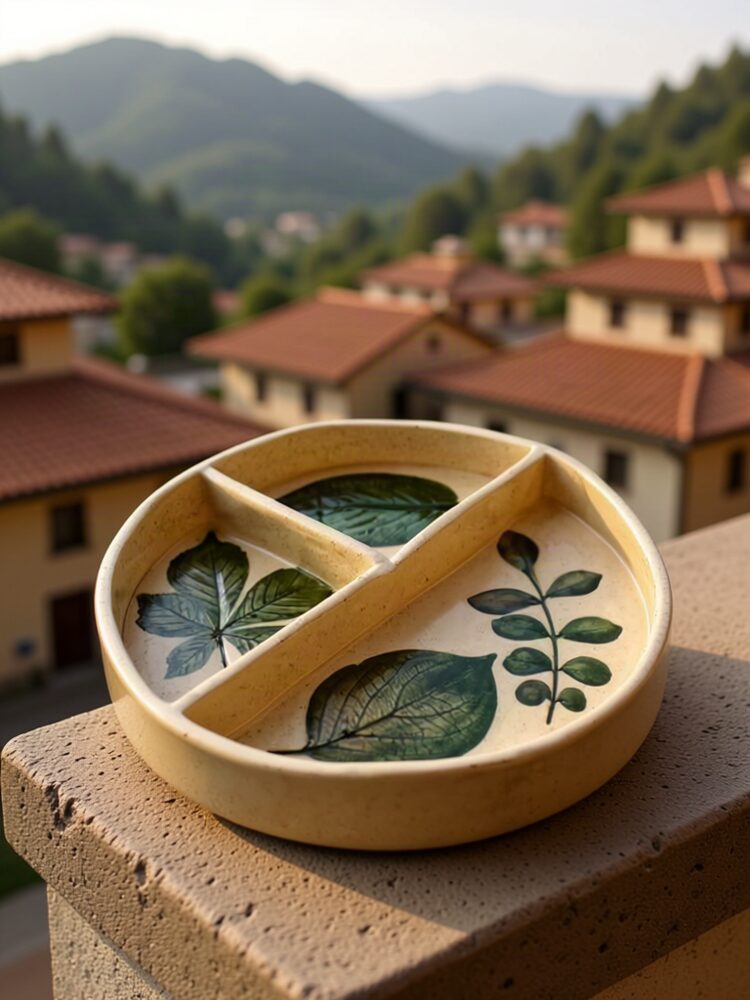
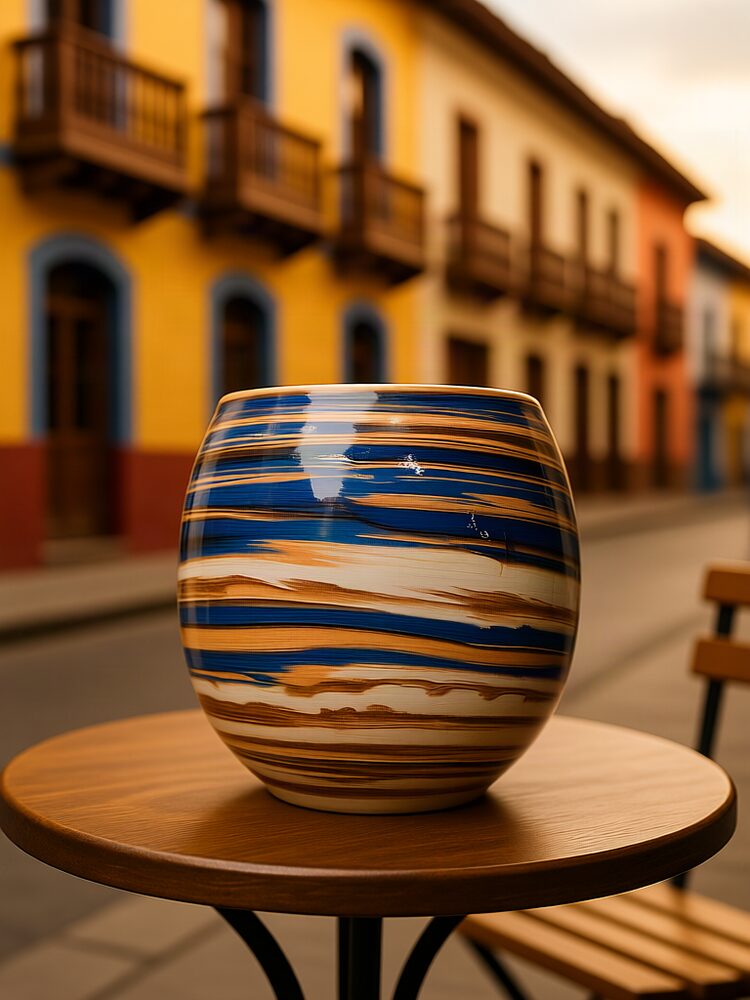
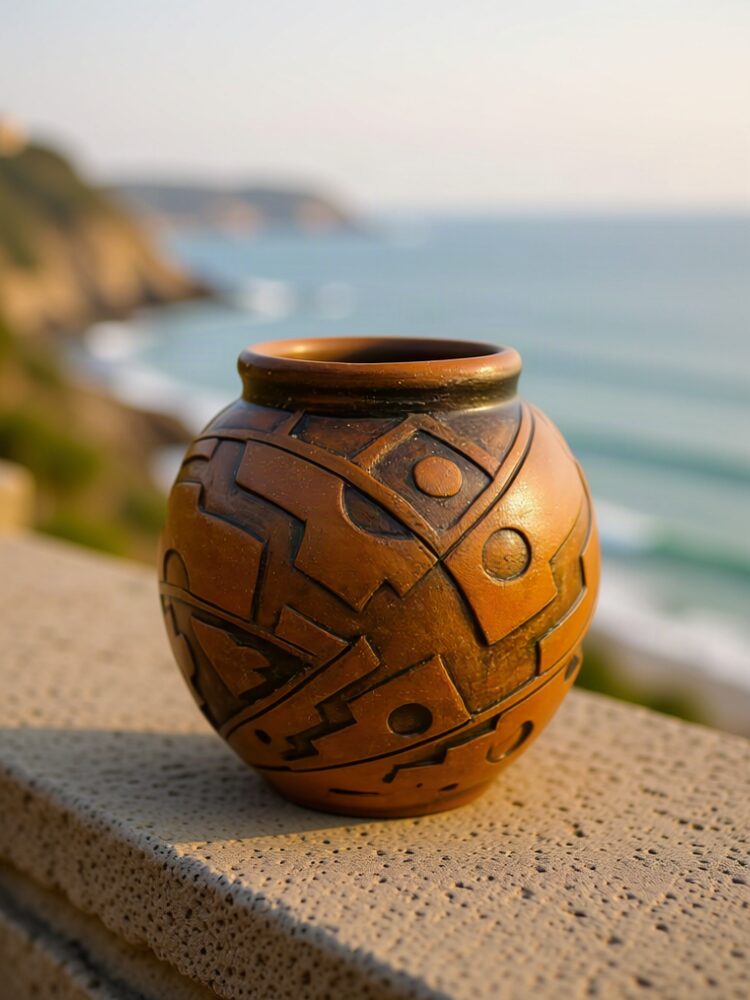
His pieces, today in Peru
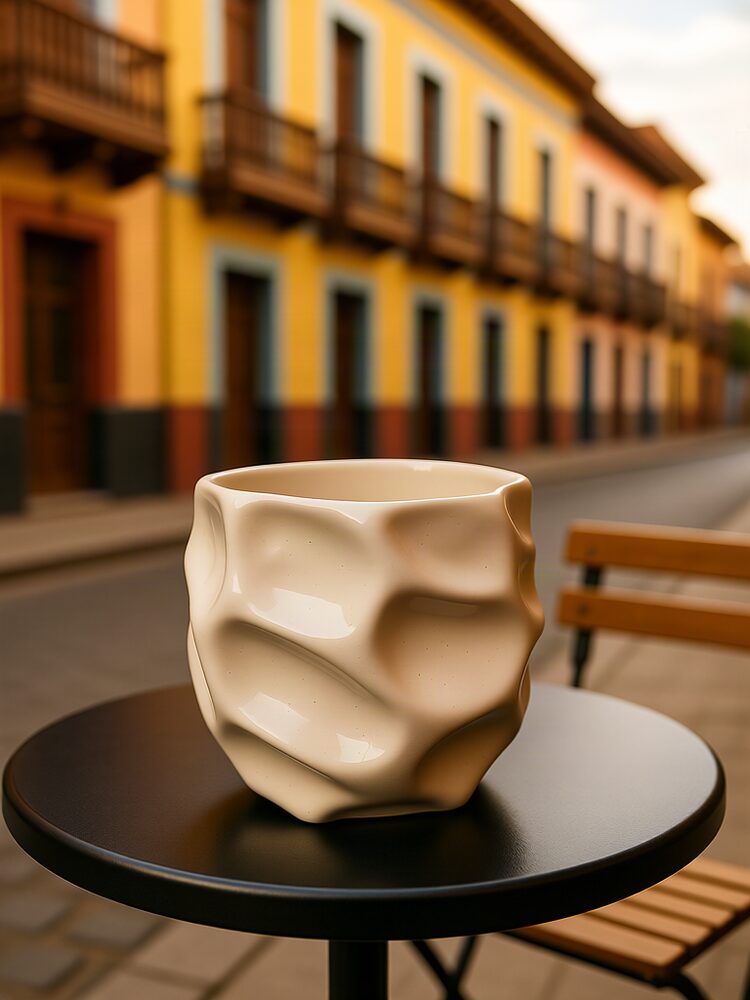
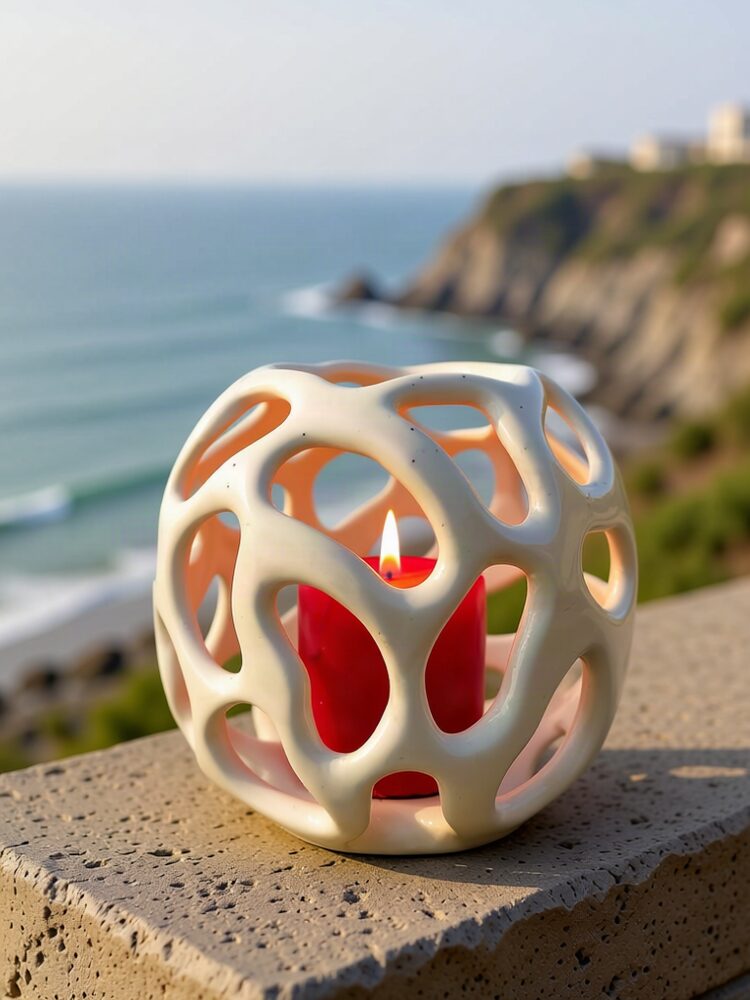
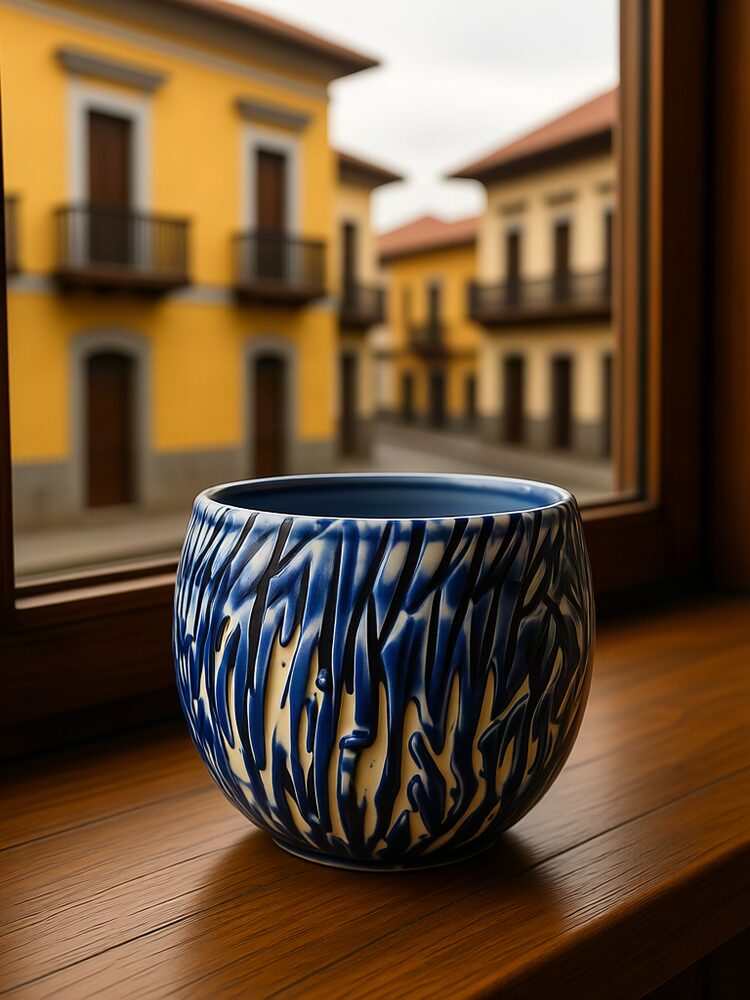
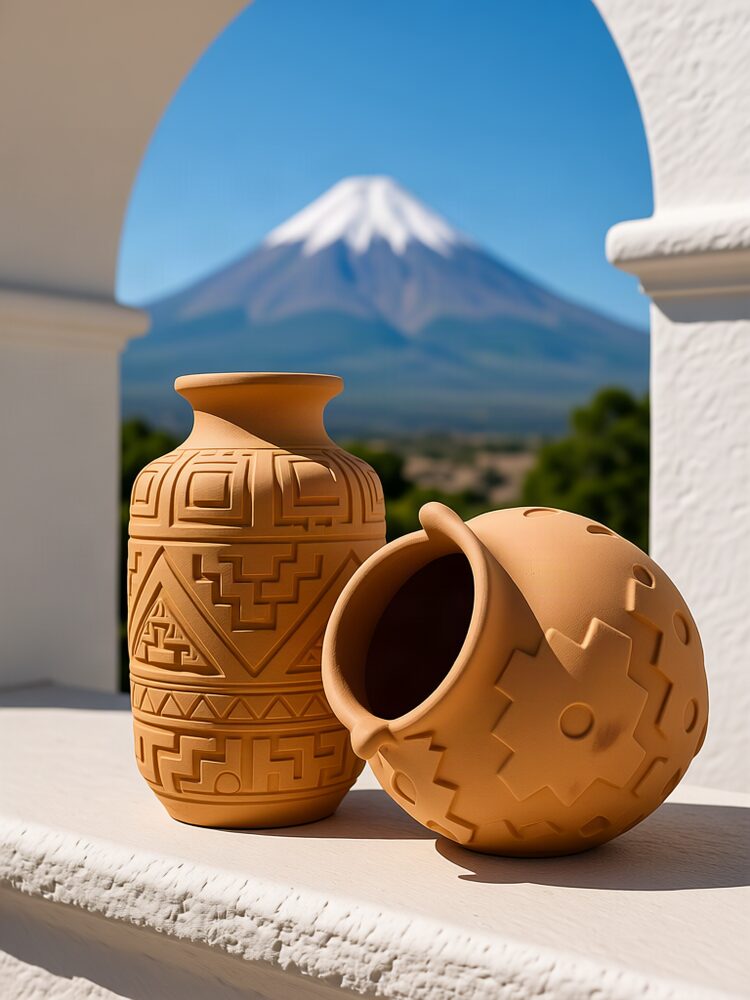
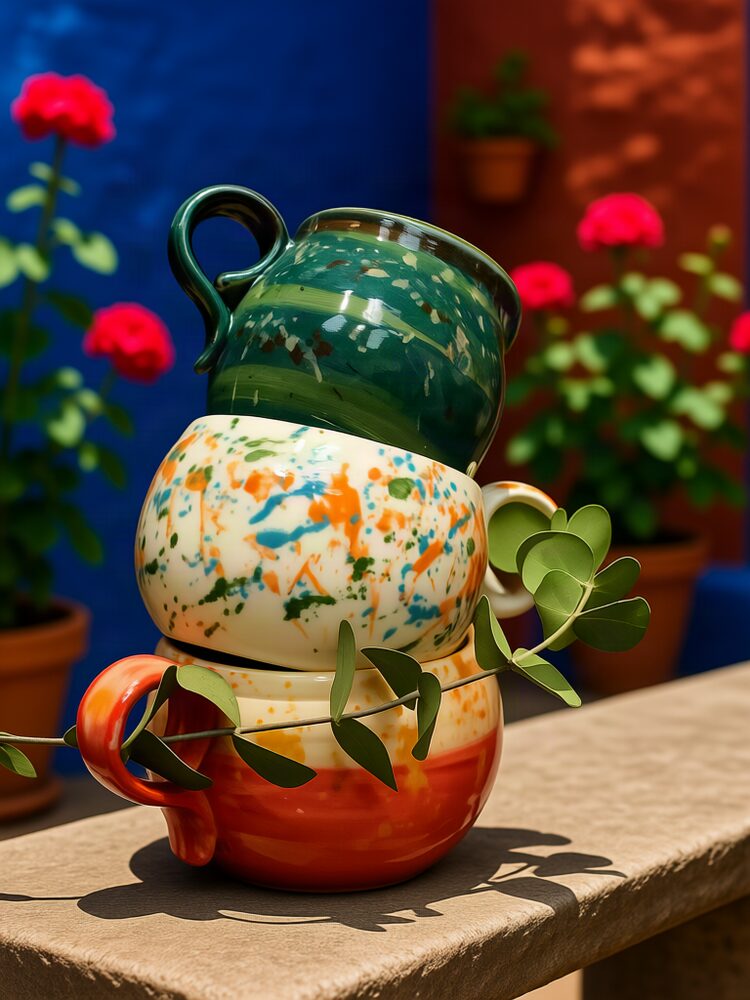
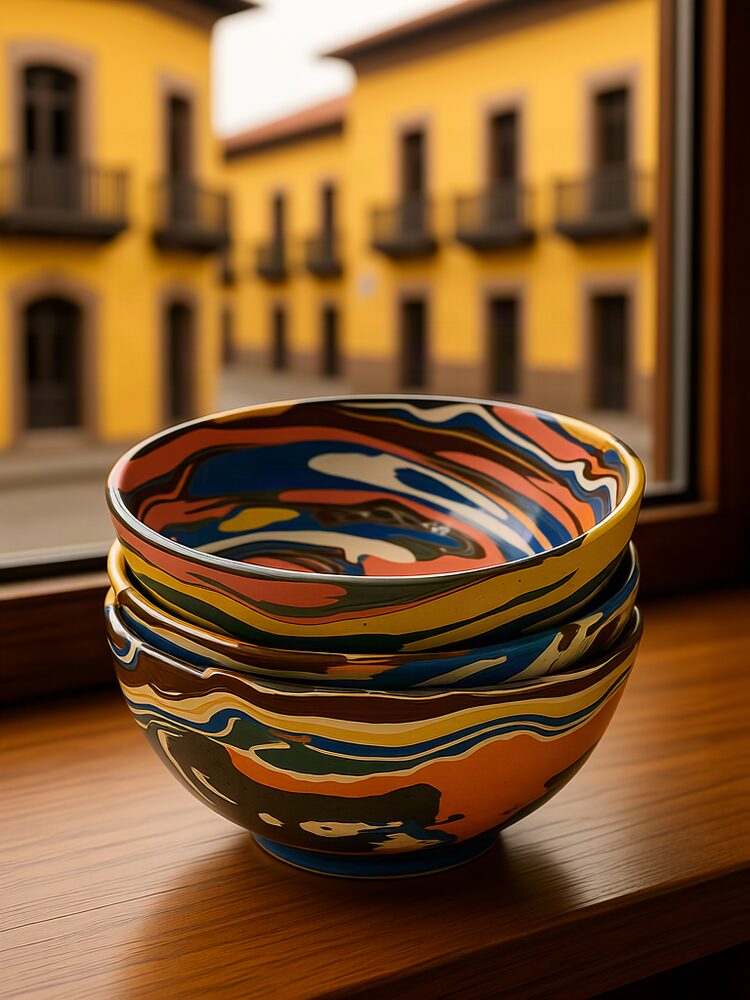
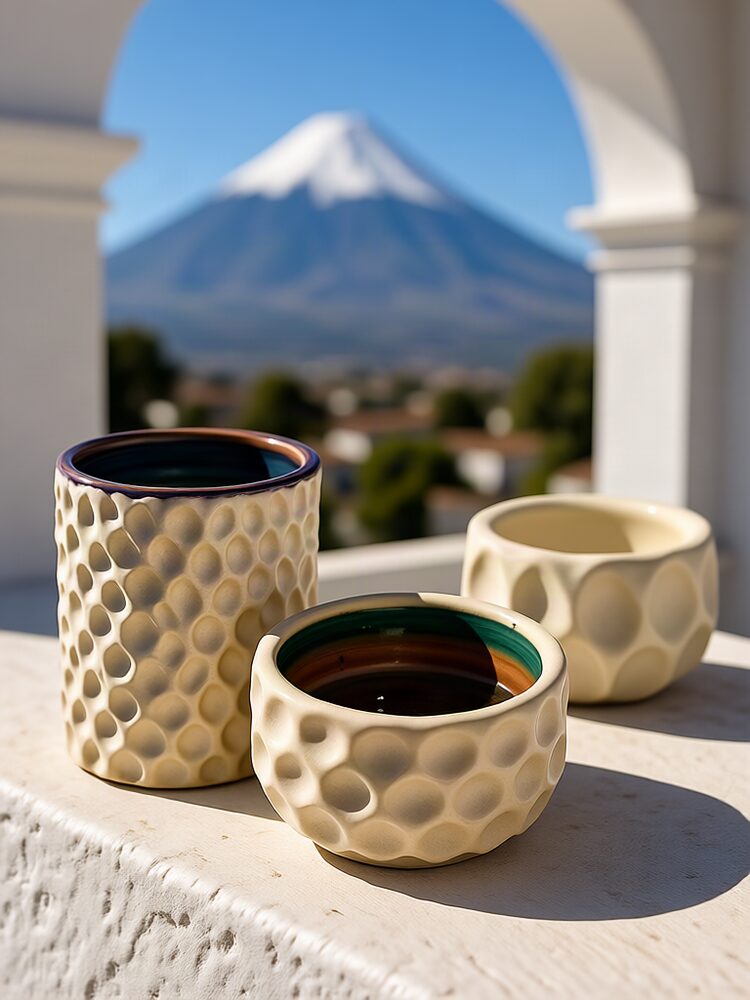
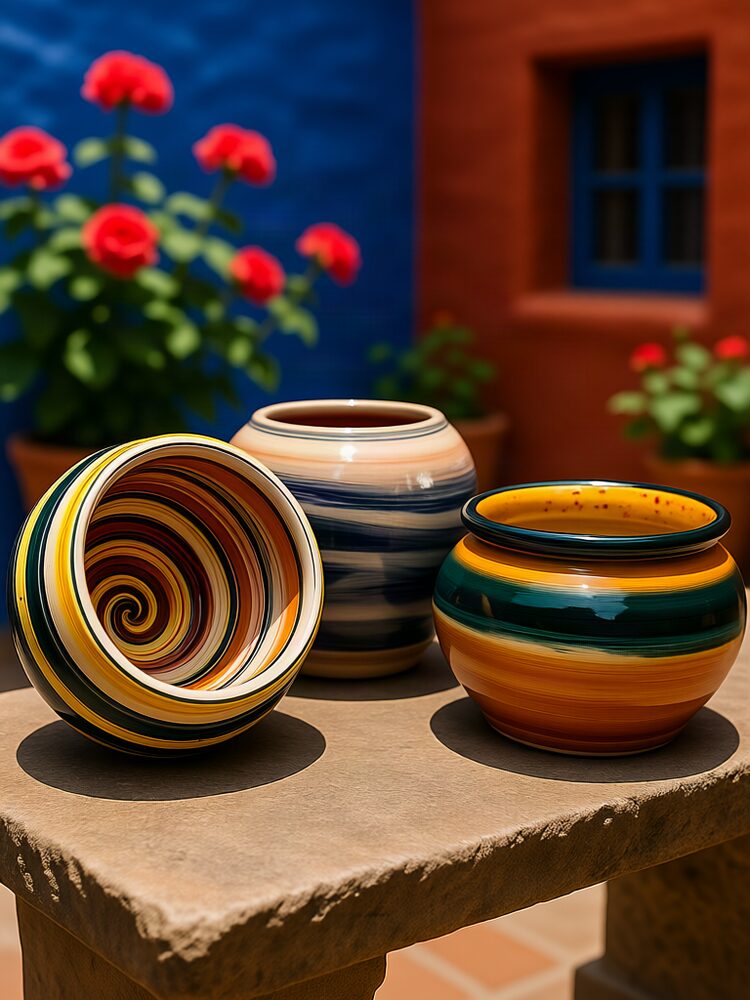
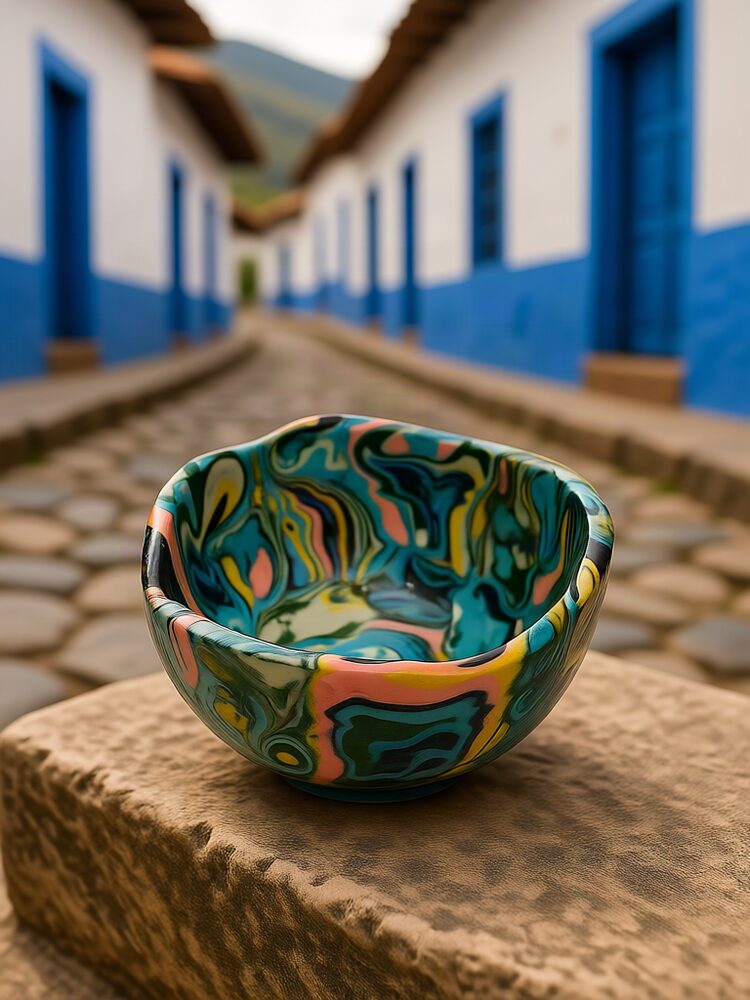
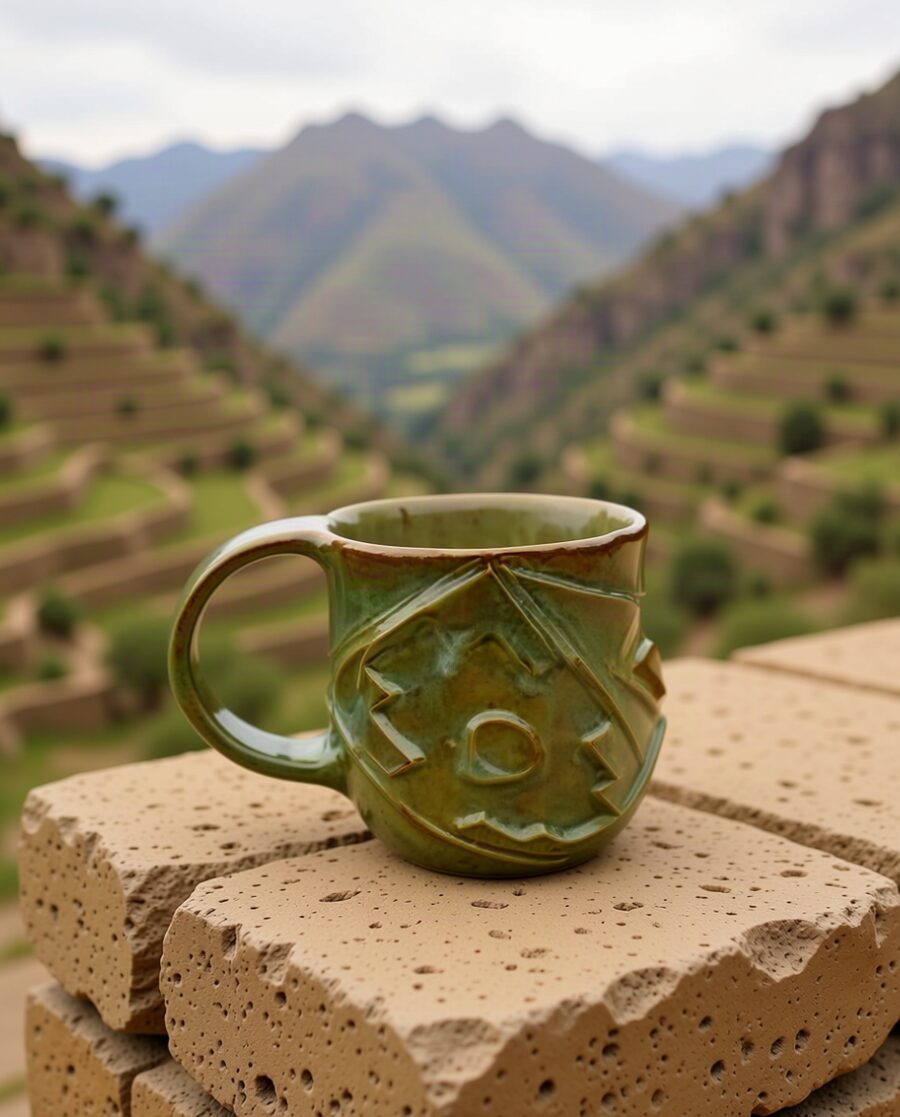
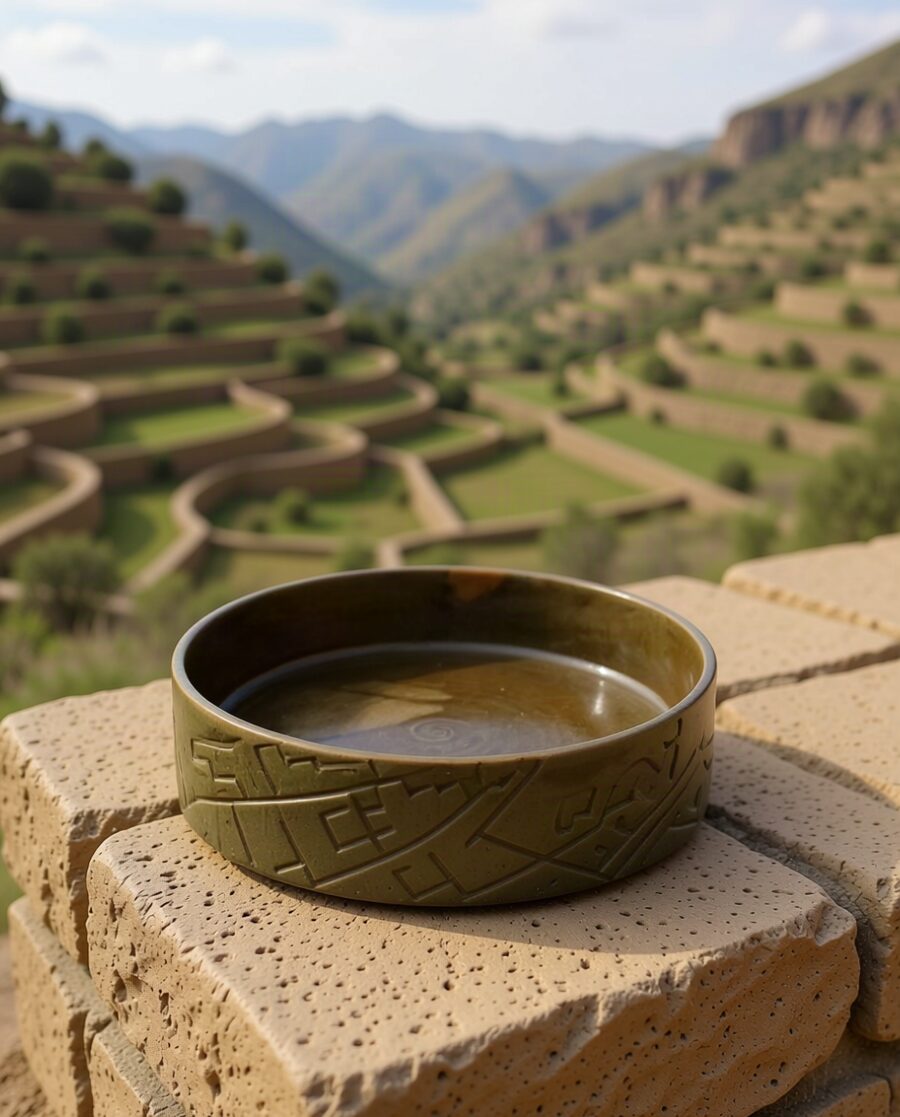
Pieces from Anvar's archive, from his workshop in Moscow, placed in the streets of Lima, Arequipa and Cusco.
Chapter 6 · Russia
What I bring from Russia
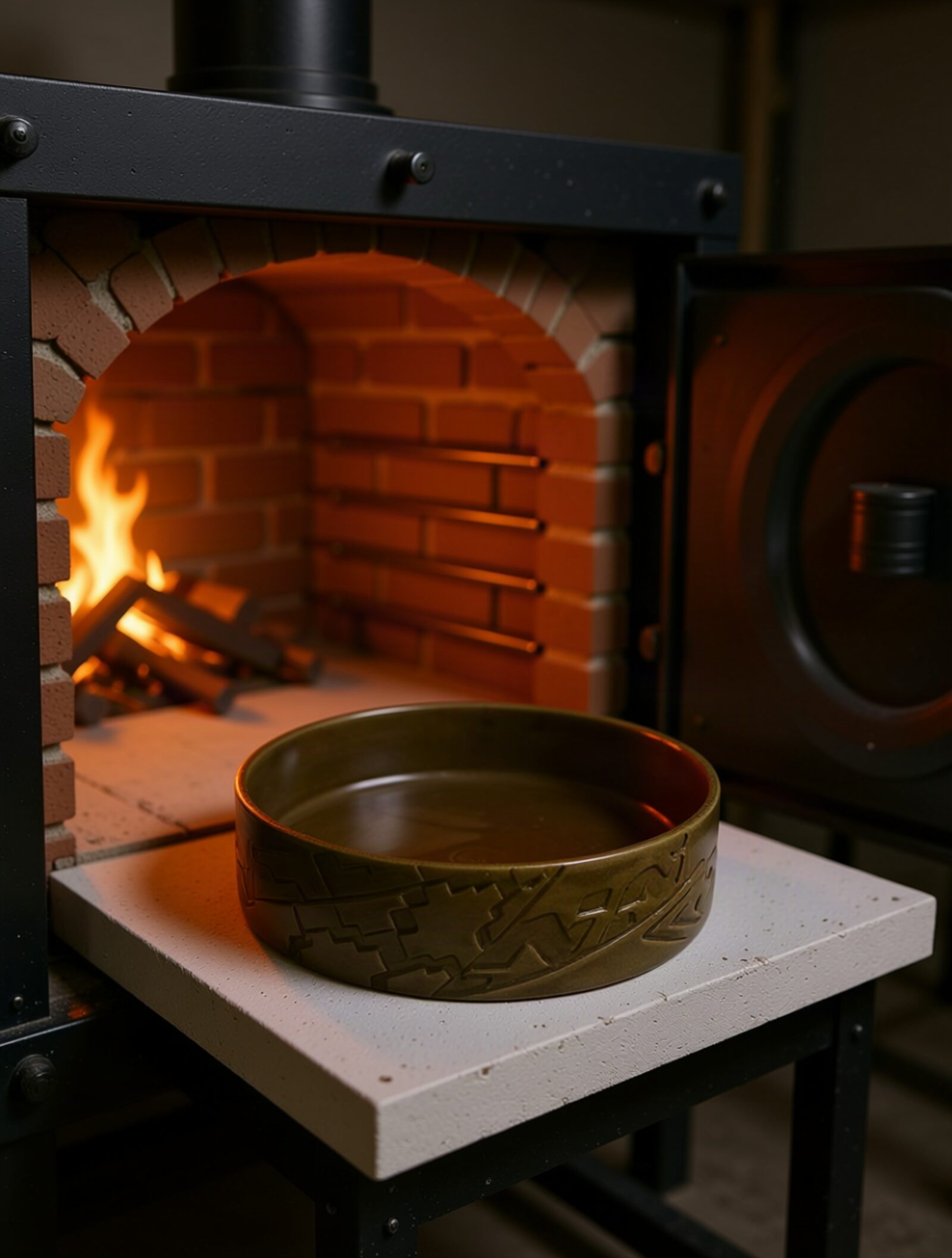
Since ancient times in Russia, low-fired red clay was used, fired twice.
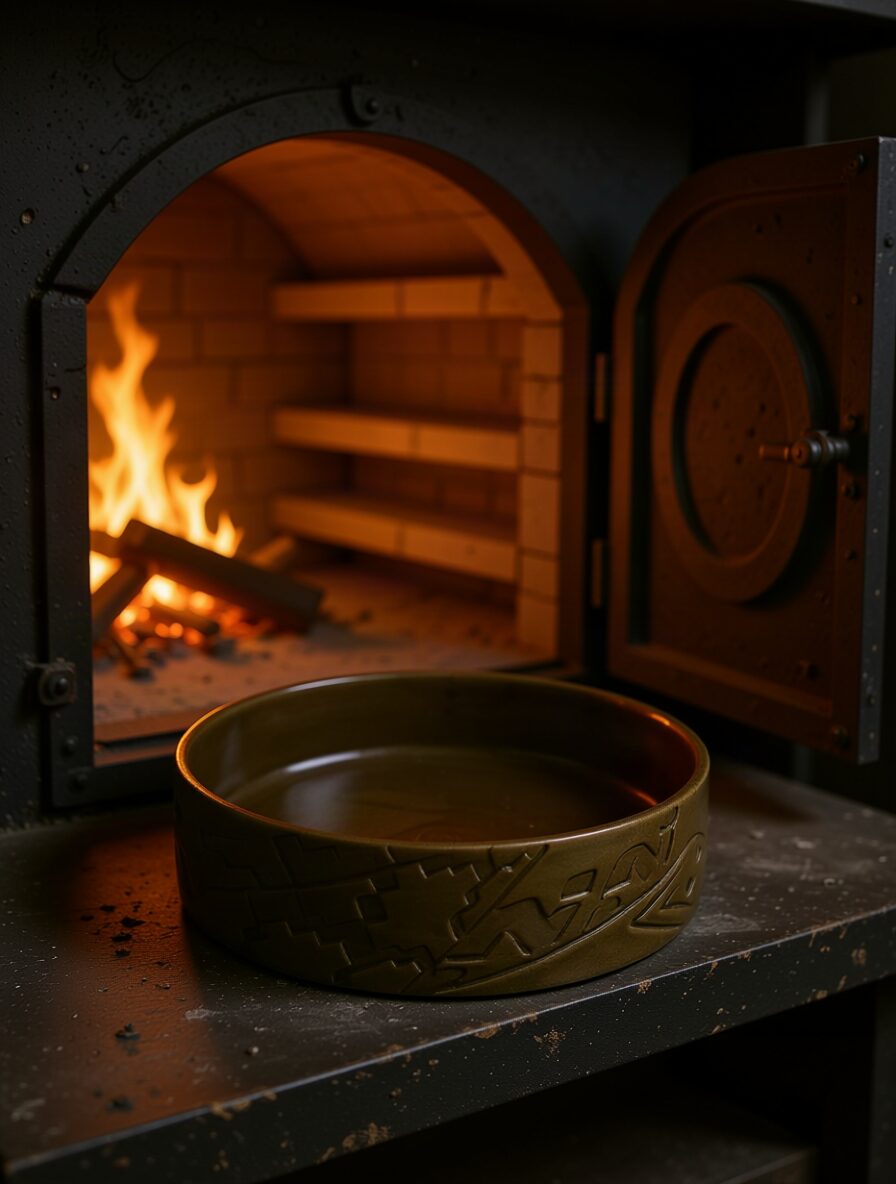
Milk firing
After the first firing the piece is dipped in milk and goes back into the kiln at low temperature: the milk cooks and closes the pores.
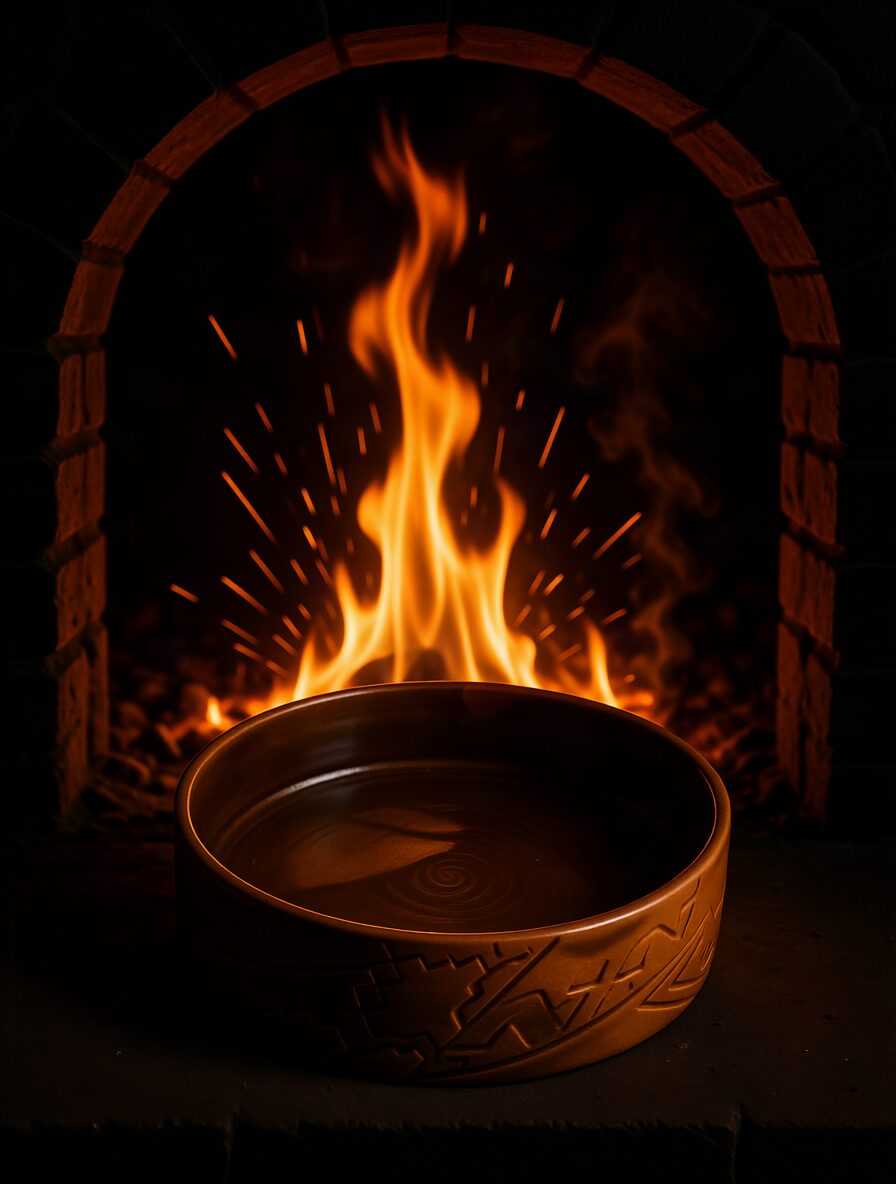
Smoked ceramics
A red-hot vessel is thrown into sawdust; the smoke penetrates the pores. It is the burnished black ceramics of Yaroslavl and Vladimir.
Chapter 7 · Lima
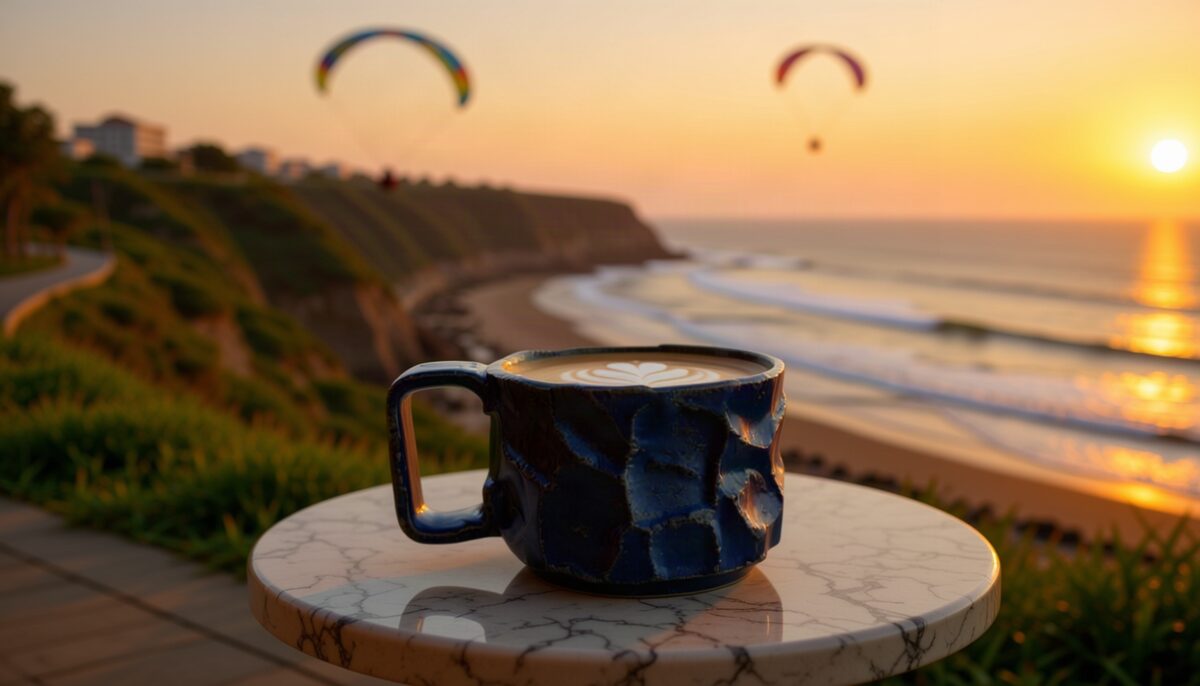
Now in Lima
High-fire tableware for restaurants, cafés and shops, by the piece and in series, shipped across Peru.
Chapter 8 · His law
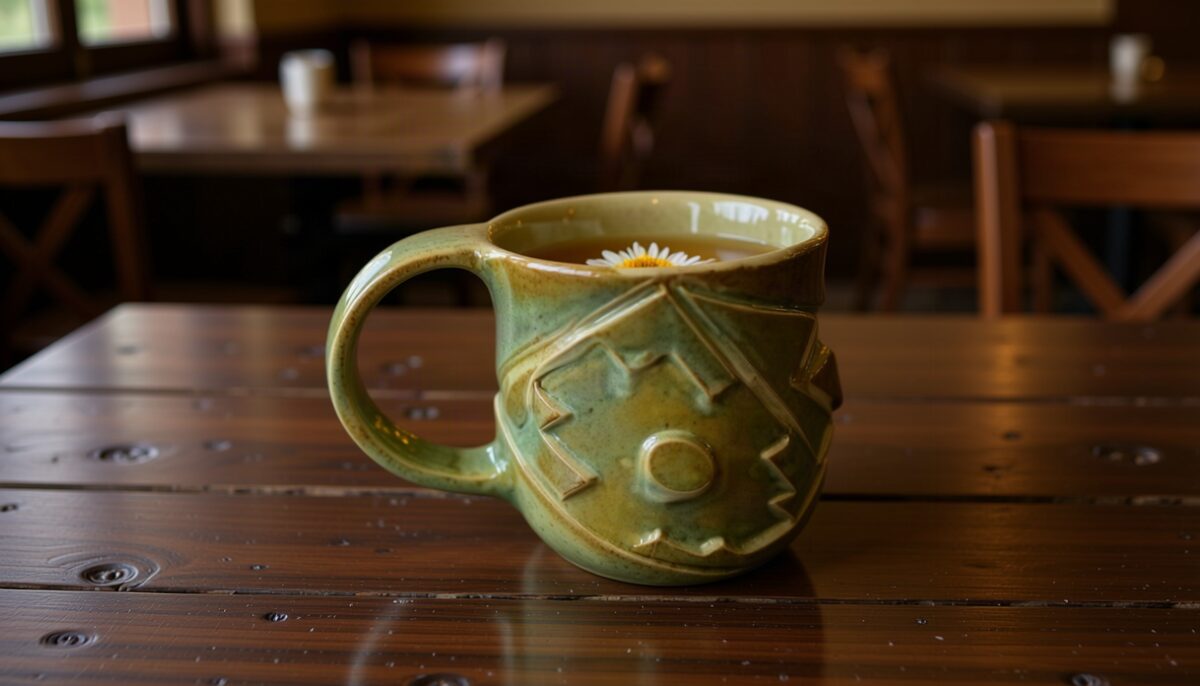
"Working at the wheel is working with balance."
Every measure fits into the form with nothing left over.
I don't sell a cup: I sell what it gives.
Chapter 9 · His words
Chapter 10 · Articles
What the master says
Free images: Moscow 1662 Atlas Maior.png — Joan Blaeu, Public domain · Moscow 1860 - Shubert map.jpg — F. F. Schubert, Public domain · Kadashi Church.jpg — Alexander Sigachev, CC0 · Belukha.jpg — Ondřej Žváček, CC BY 2.5 · Moscow. Kremlin. Palace of Facets P5152484 2600.jpg — Alexxx1979, CC BY-SA 4.0 · 2017 Lima - Jardines y fachada del Museo de Arte Italiano.jpg — Felipe Restrpo Acosta, CC BY-SA 4.0 · RUS-2016-Aerial-SPB-Peter and Paul Fortress 02.jpg — Godot13, CC BY-SA 4.0 · Hospital Dos de Mayo.jpg — Estudio Courret, 19th century, Public domain · Russian Academy of Sciences SPB.jpg — Florstein (Telegram:WikiPhoto.Space), CC BY-SA 4.0 · Museo de Arte de Lima (MALI) 01.jpg — Ibrehaut (Ivan Brehaut L.), CC BY-SA 3.0 · Temple of the Inscriptions - Palenque Maya Site, Feb 2020.jpg — Bernard DUPONT, CC BY-SA 2.0. Wikimedia Commons. Photos of the workshop, Altai and Tikal: Anvar's archive.