
Articles · Form
Form follows life
Why cups in the north close in and cups in the south open out.
In any culture, tableware grows out of the practical. Nobody draws a cup to look good and then finds out what it is for: first comes life, and the form follows.
The north closes
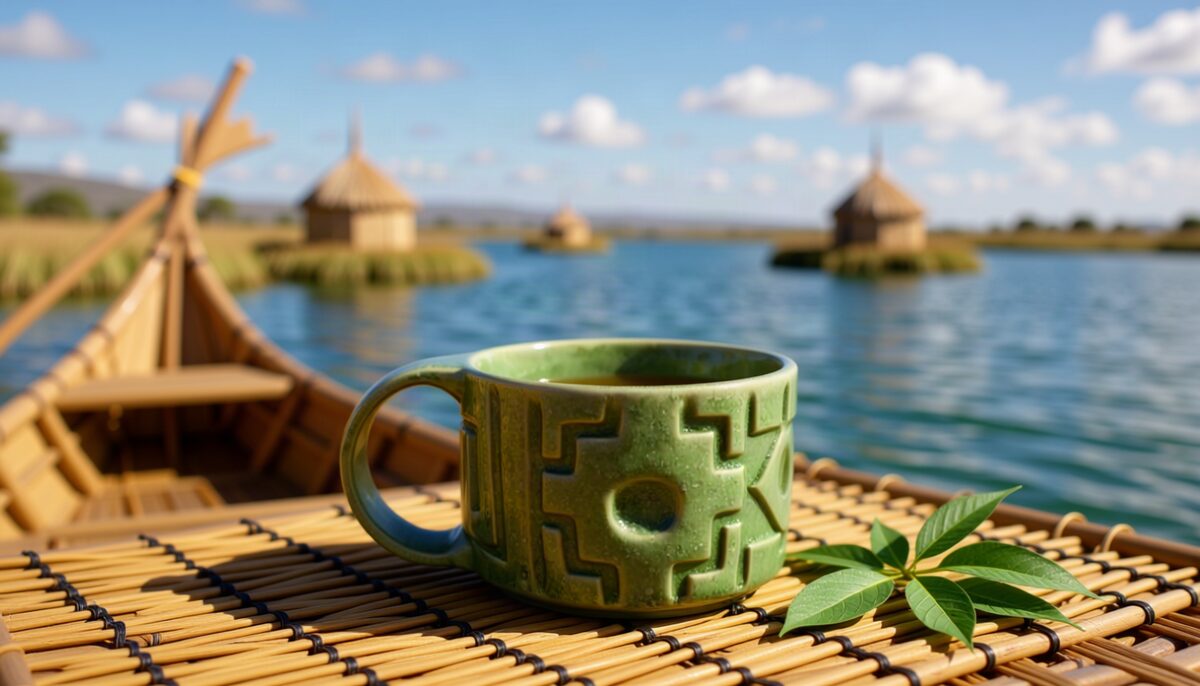
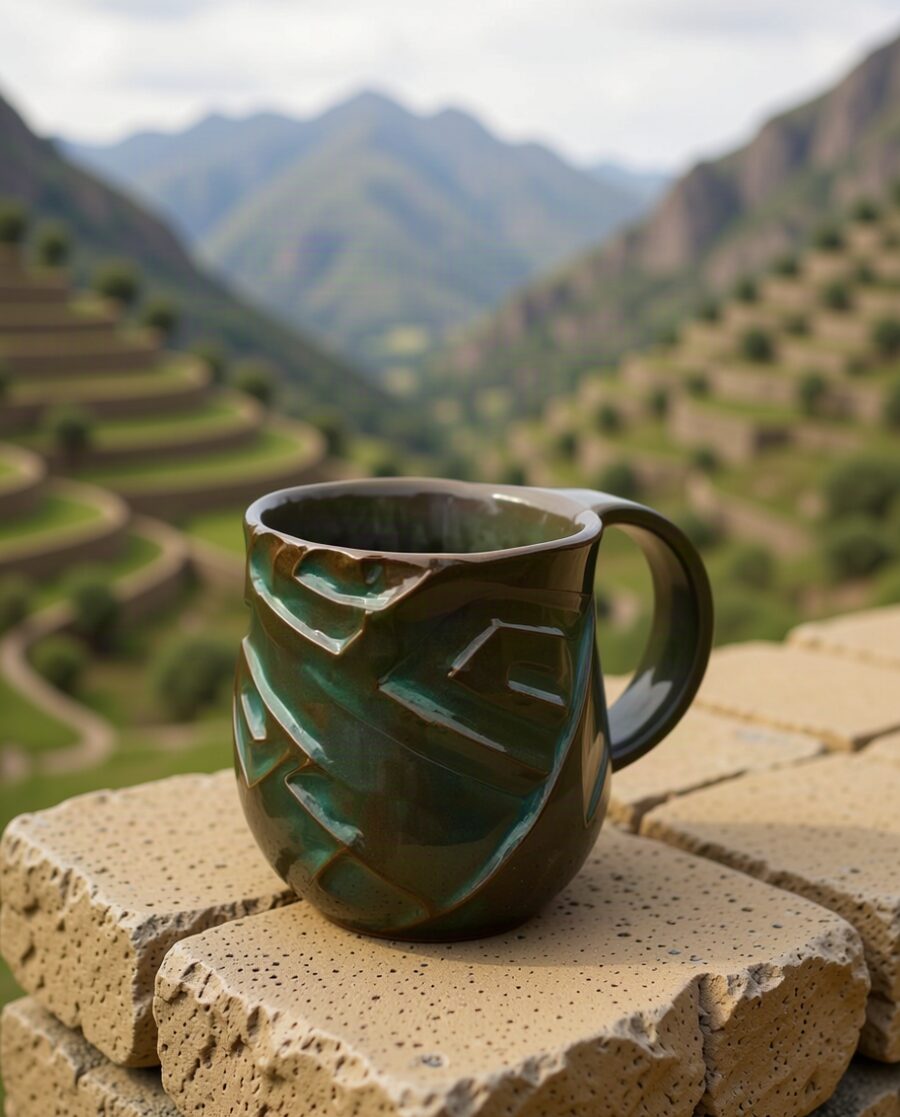
Cups from the north have the top a little closed. It is so that tea or herbal infusion doesn't get cold: the heat stays inside, next to whoever is drinking.
The south opens
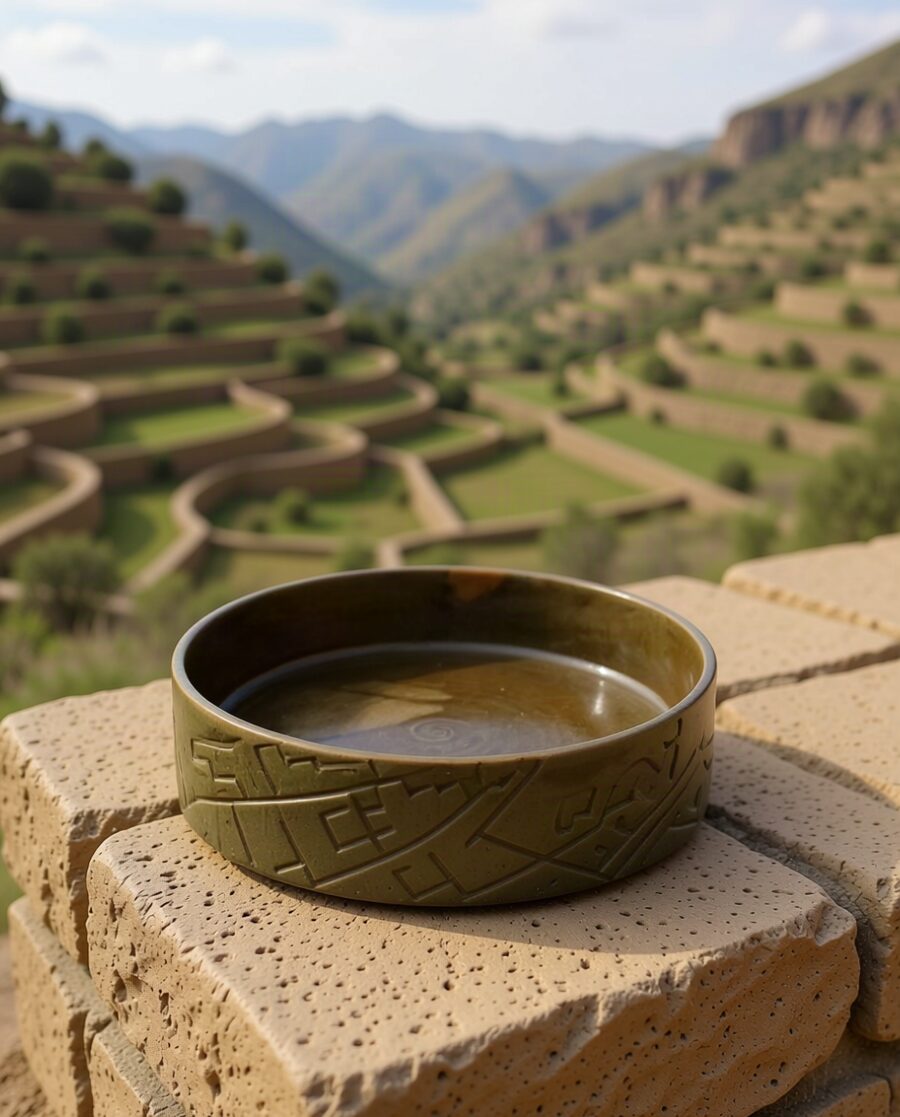
Bowls from the south and from Asia are open and wide. There the problem is the opposite: the heat has to be released, so the drink doesn't burn the lips.
The vessels of Peru
Ancient Peruvian vessels have a narrow, conical base and small handles by the neck, through which a rope passed. They were carried loaded, the way large bottles are carried today; they were not made to sit on a shelf.
The narrow neck
In the East, the narrow neck of the jug serves the wine: that way it doesn't lose its strength. Every form answers a question of daily life.
The hand remembers
That is why, when a cup rests well in the hand, it is no coincidence: the hand remembers what the form was created for.
Next article