High-fire stoneware tableware: clay and fire
From clay to the table, in six steps.
Chapter 1 · The road
Six steps
Clay and form
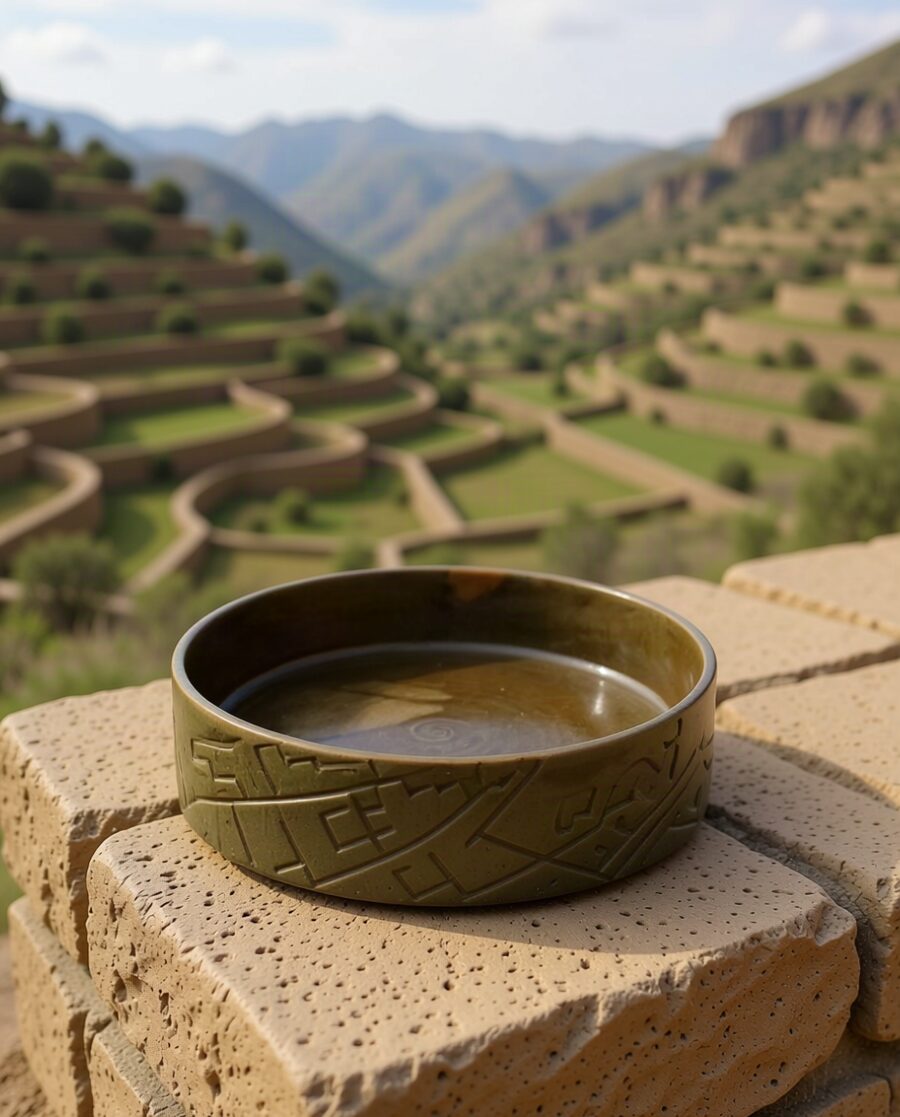
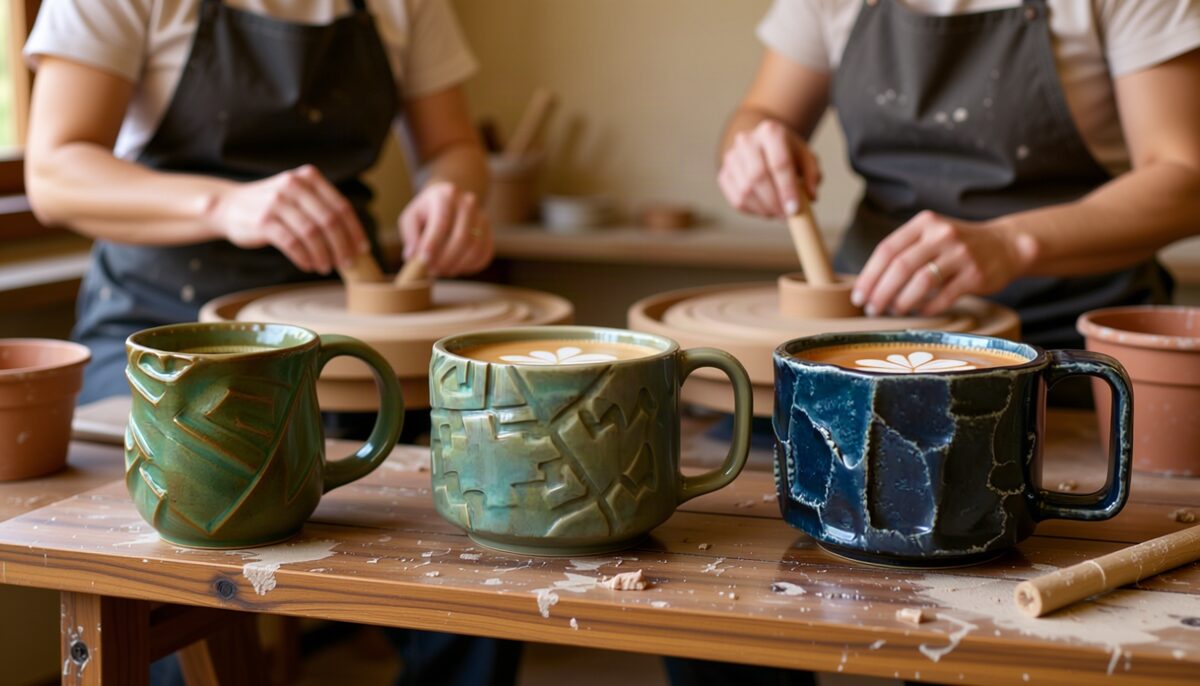
On the wheel or by hand, with the relief. The piece is formed and the relief is carved.
Drying
The piece has to dry well: about ten days, depending on the climate. If it stays a little damp, it cracks or explodes in the kiln.
Bisque
980–1000 °C. The clay sinters and becomes a hard body: the bisque.
Glaze
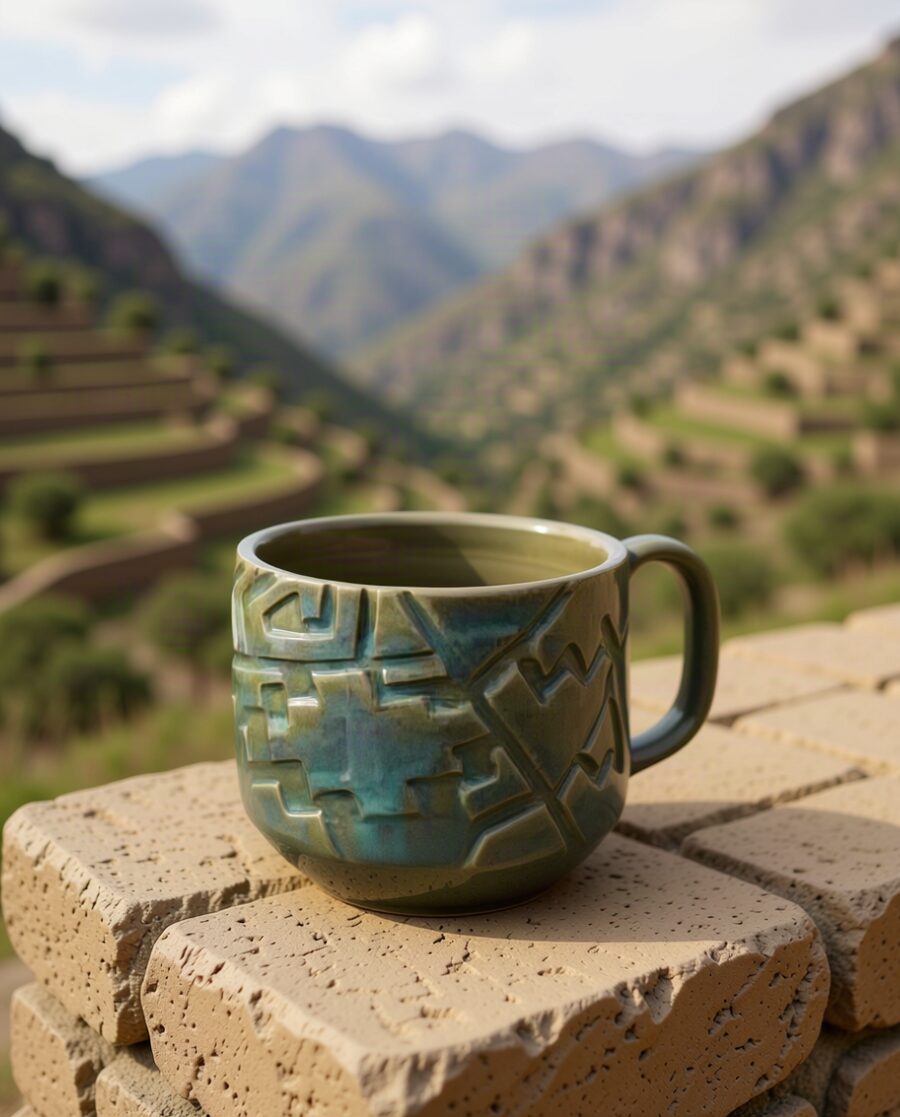
Glaze is, in essence, powdered glass with water and additives. The piece is dipped or painted.
Glaze firing
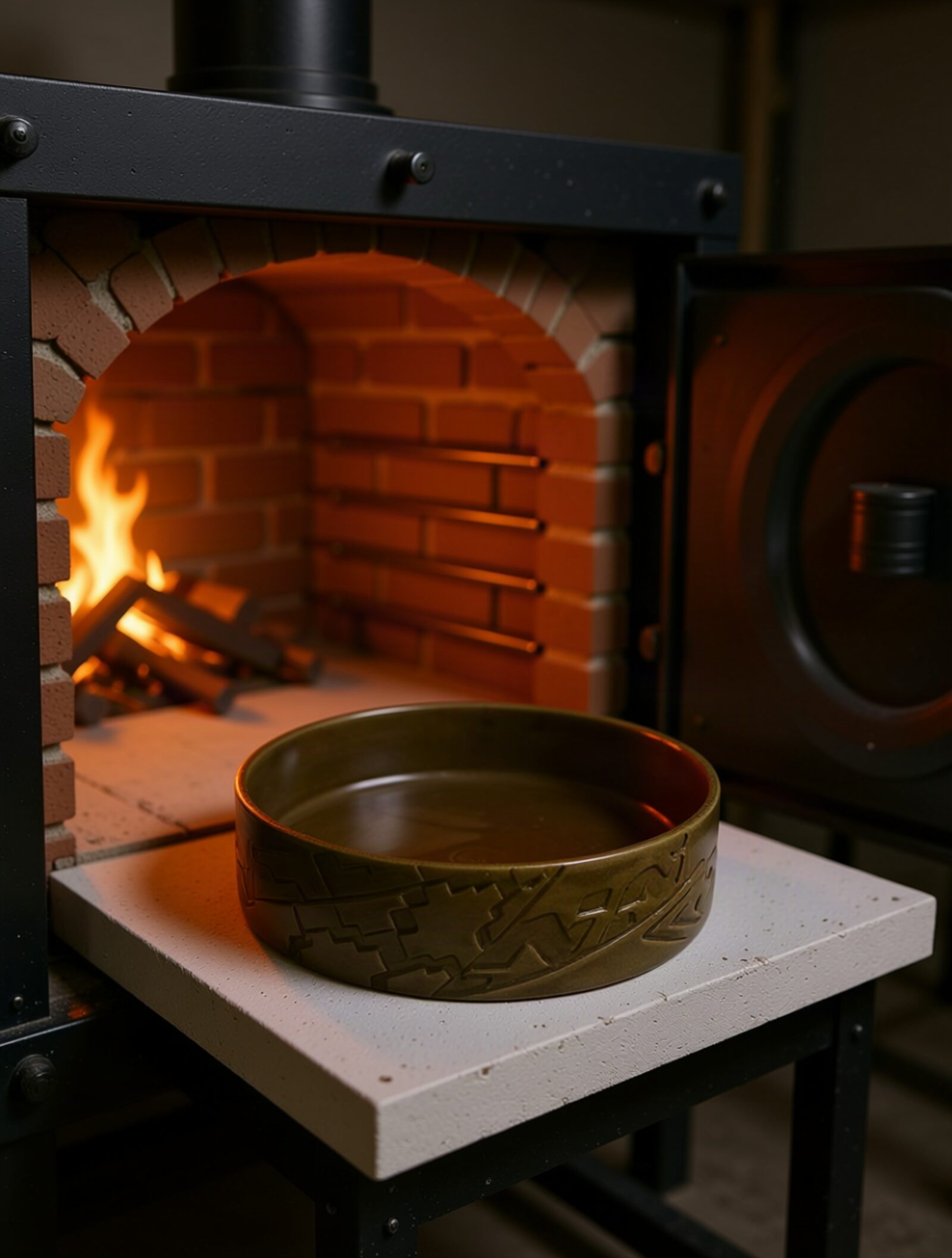
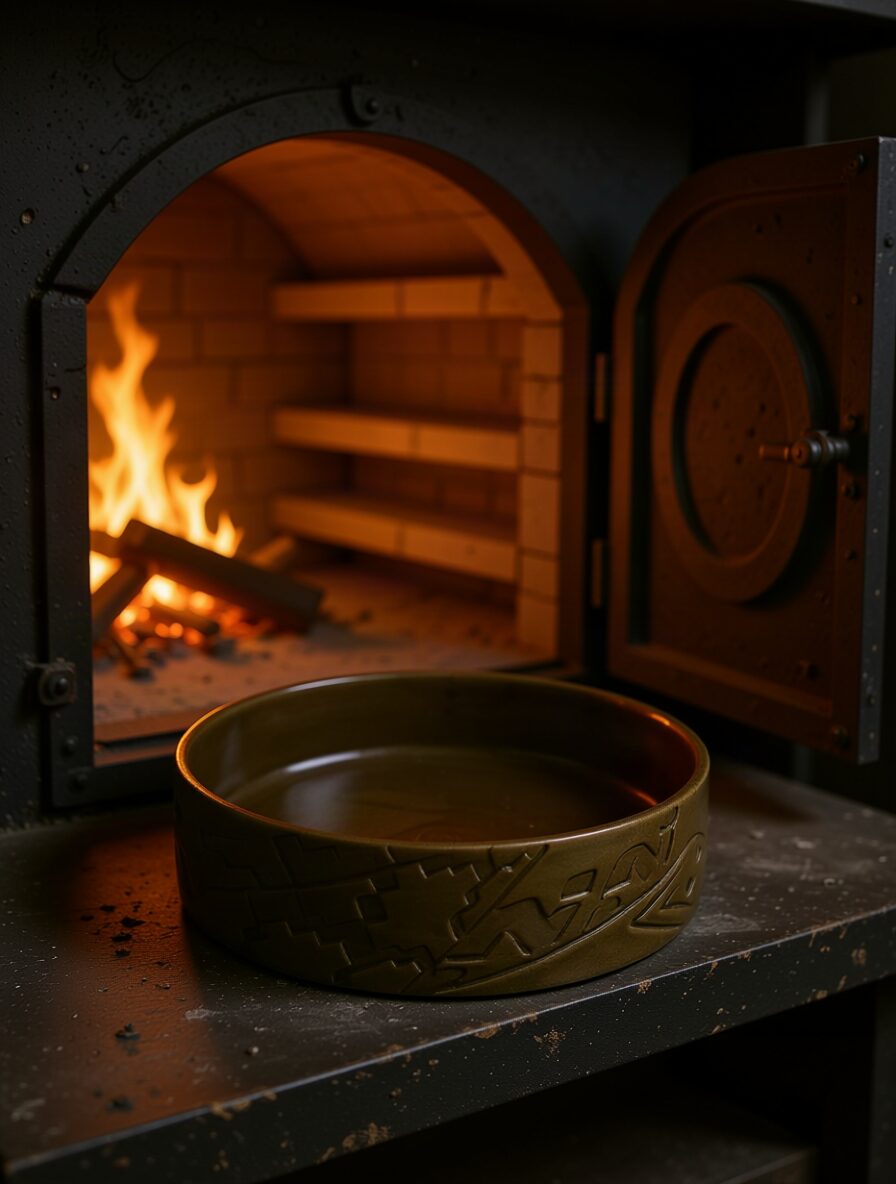
Around 1200 °C. It is the most difficult: if anything fails, the piece is a reject and cannot be corrected.
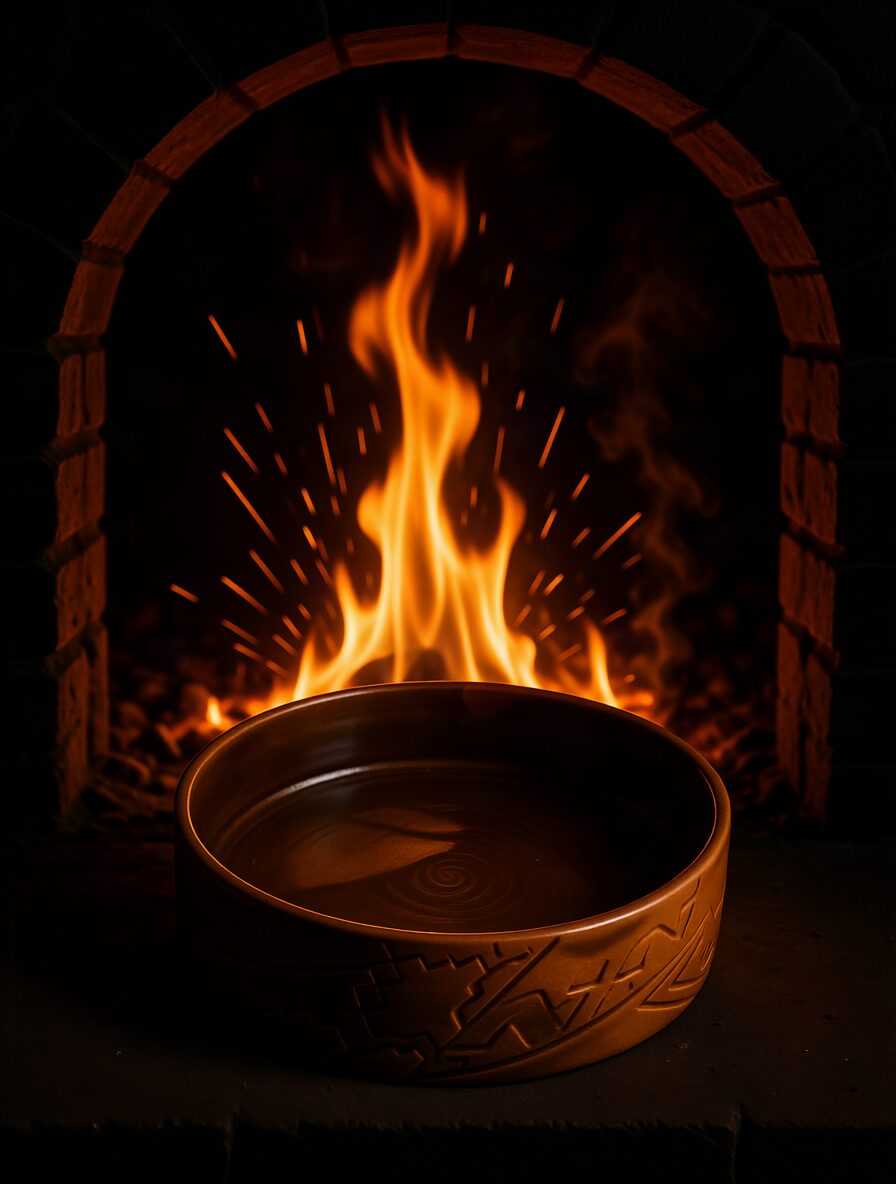
See the fire
The piece
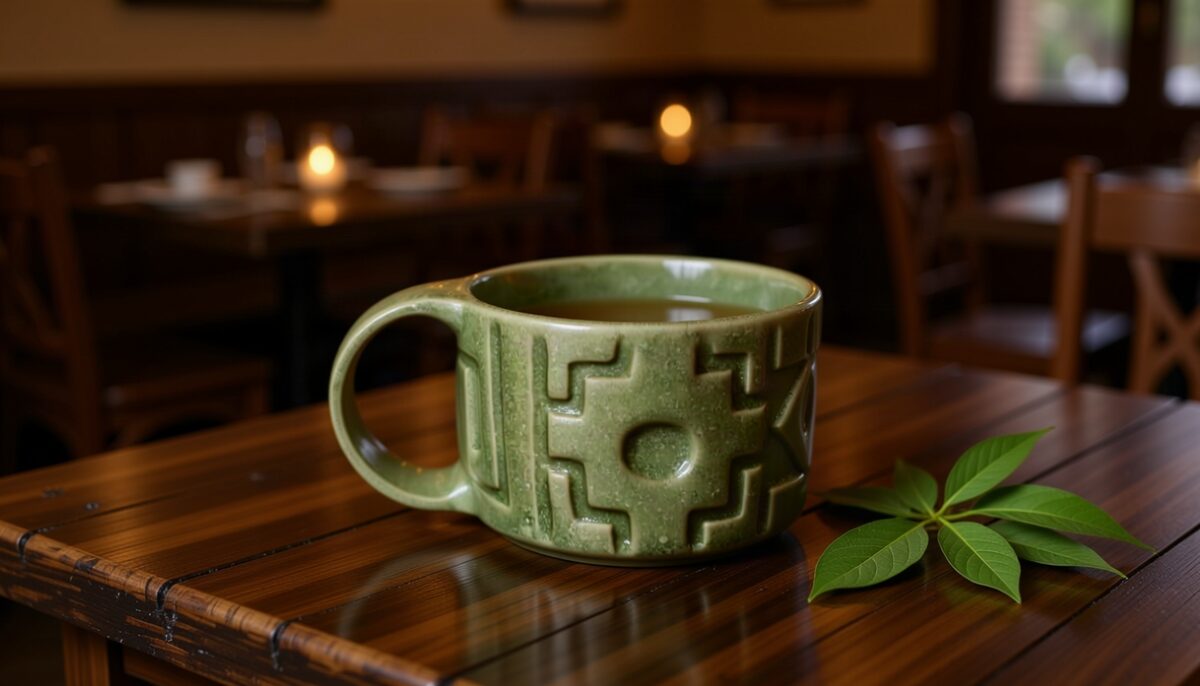
It comes out of the kiln and goes to the table.
Chapter 2 · Six clays
Each clay, for something
There are clays of natural colours — green, black, blue — and any clay can be tinted: "you can make magic".
Chapter 3 · Fire
1200 °C
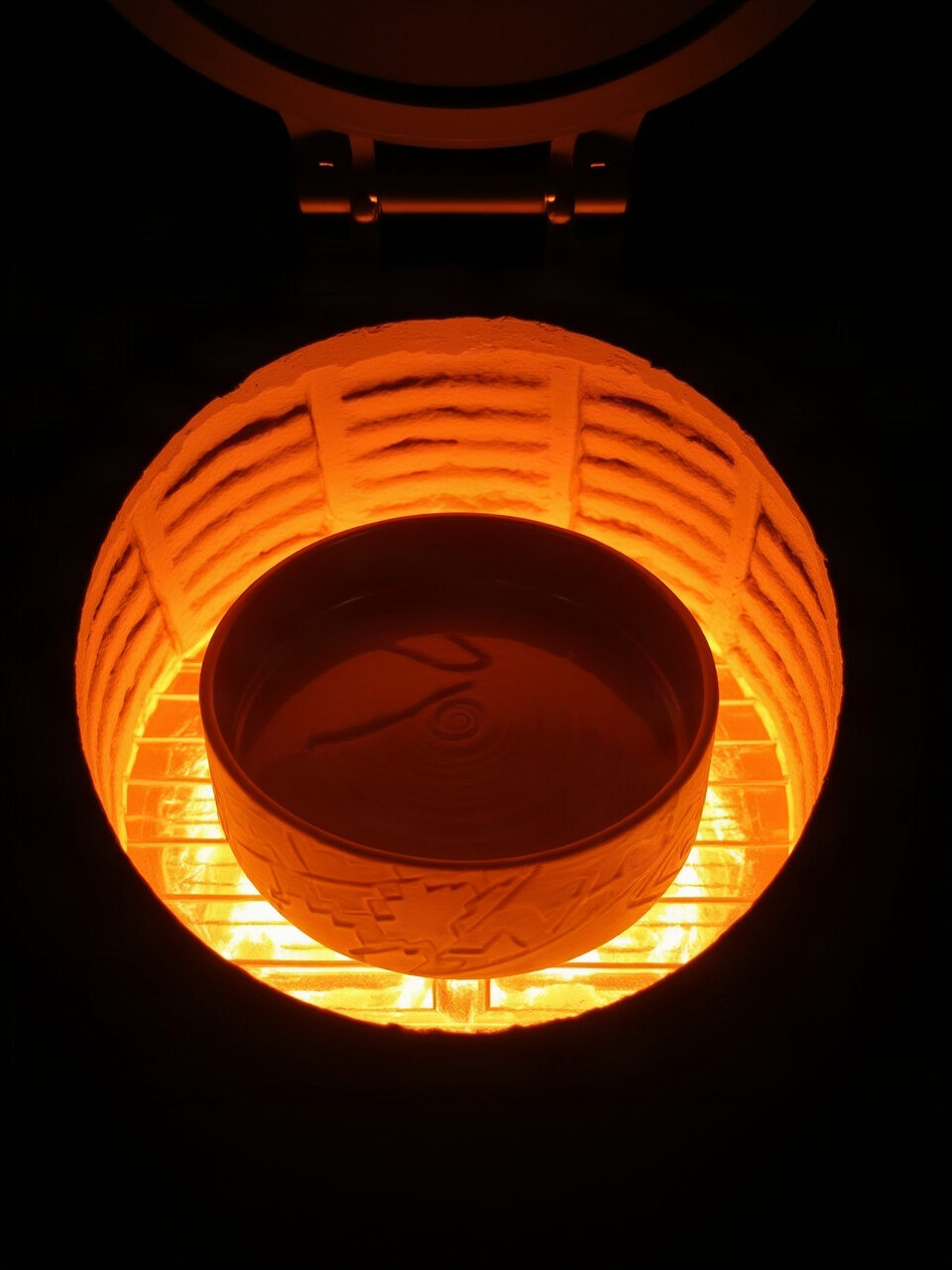
Fire from 1200 °C
At 1200 °C clay stops being mud: it closes up, it rings like stone. That is why restaurant tableware is born in this fire.
White clay and high-fire glaze: the basis of tableware for restaurants. Red, low-fire clay is kept for decoration.
The ceramics everyone knows in Peru are low-fired. The master brings high temperature to Lima for restaurants.
It is the glaze firing, the most difficult: if anything fails, the piece is a reject.
A cup fired at 1200 °C rings like stone when you tap it with a finger.
Chapter 4 · The drop
Drag the drop. Which clay lets it in?
Tap a cup and let the drop fall.
Chapter 5 · The kiln
Firing, an art of its own
Today firing is an art of its own: electric kilns with a programmer; in a gas kiln it takes great mastery, knowledge and experience.