
Articles · Proportion
The law of proportion: every detail fits into the form
For the master, a form is beautiful when all its measures understand one another.
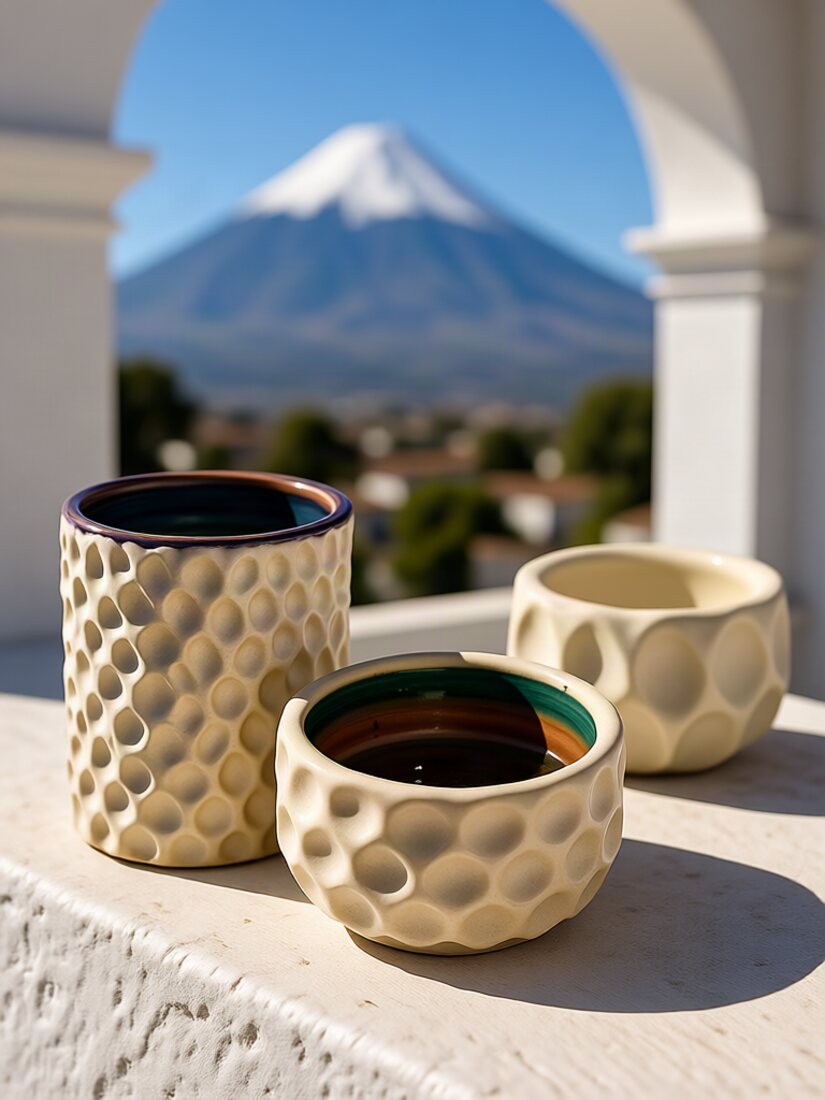
A plate, a cup, a platter: before they are objects they are measures. The width of the rim, the height of the foot, the thickness of the edge. The master believes the ideal of a form lies in the relationship between those measures, not in a single measure.
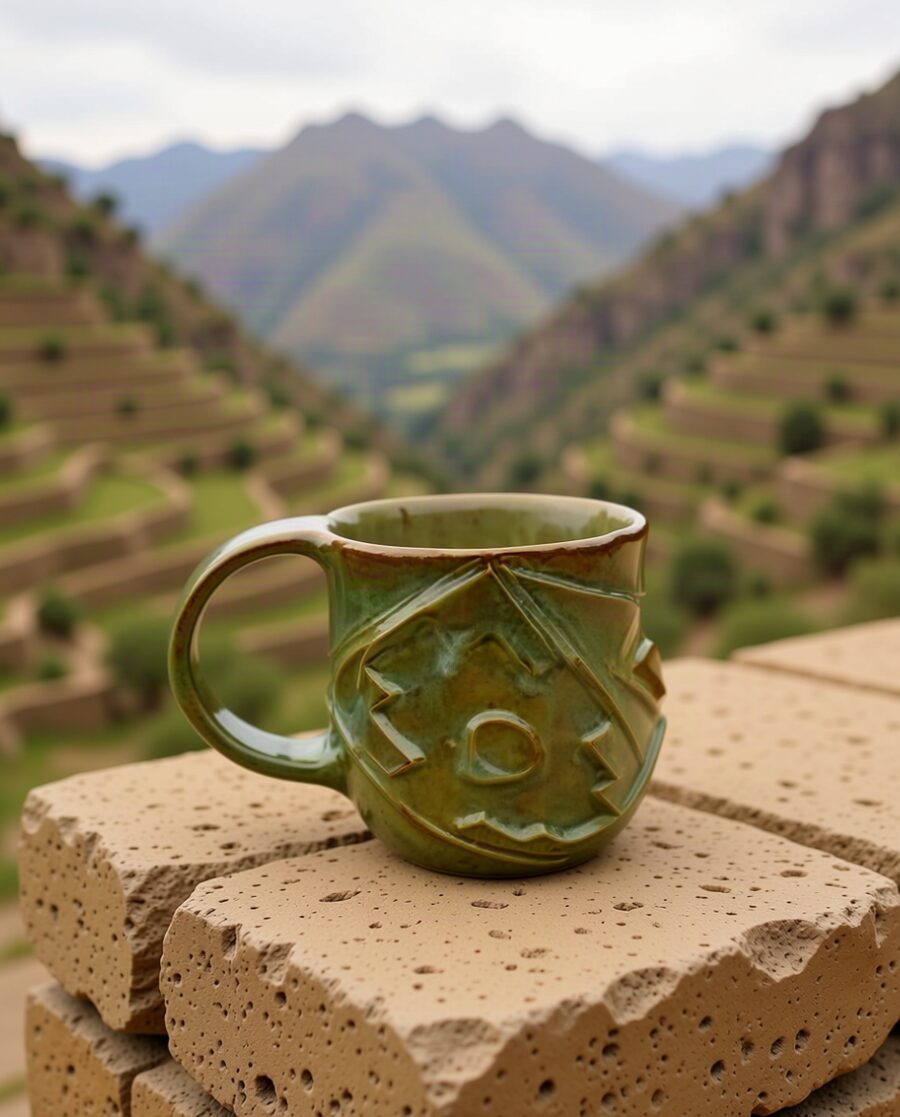
His rule is simple to state and hard to keep: the size of each detail — a line, a step, a relief motif — must fit into the size of the main form with nothing left over. Not a millimetre too much, not one too little. That is the master's rule.
To find those relationships he turns to the golden proportion and Fibonacci numbers, the same ones that repeat in shells, in flowers and in the stone walls of the Andes. With the right proportions, the form comes close to the ideal.
Pineapple, sunflower, temples: the same spiral. Nature and people build with this proportion, and the master brings it to every cup: Φ = 1 : 1.618.
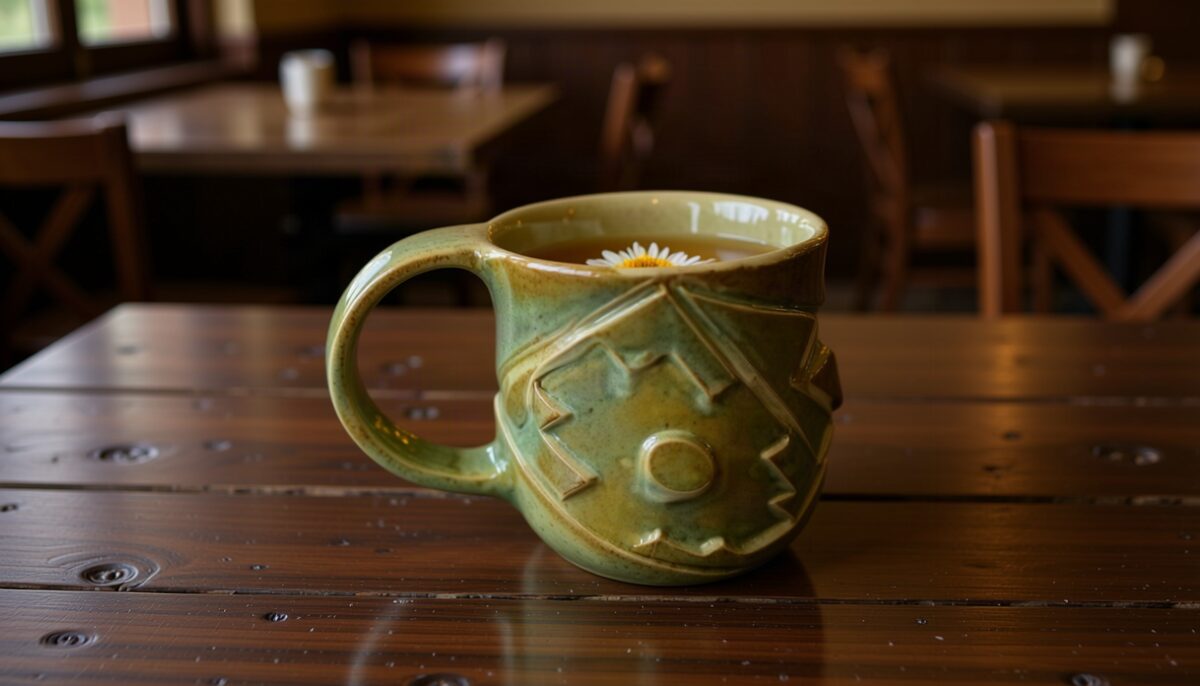
You can't see it with a ruler: you feel it when the cup rests well in the hand and the relief seems to have always been there. "In my experience, proportion is noticed in the hand before the head."
That is why, for the master, you don't sell an object but what the object gives: "I don't sell a cup: I sell what it gives."
And then there is the water. "I believe a vessel with harmonious measures gives structure to what it holds. If you pour water into it, I believe it falls into order. We are, in large part, water; that is why it matters to me what you drink it from." It is his conviction as a ceramist, not a promise.
Next article